
Museum tours and tickets in Paris
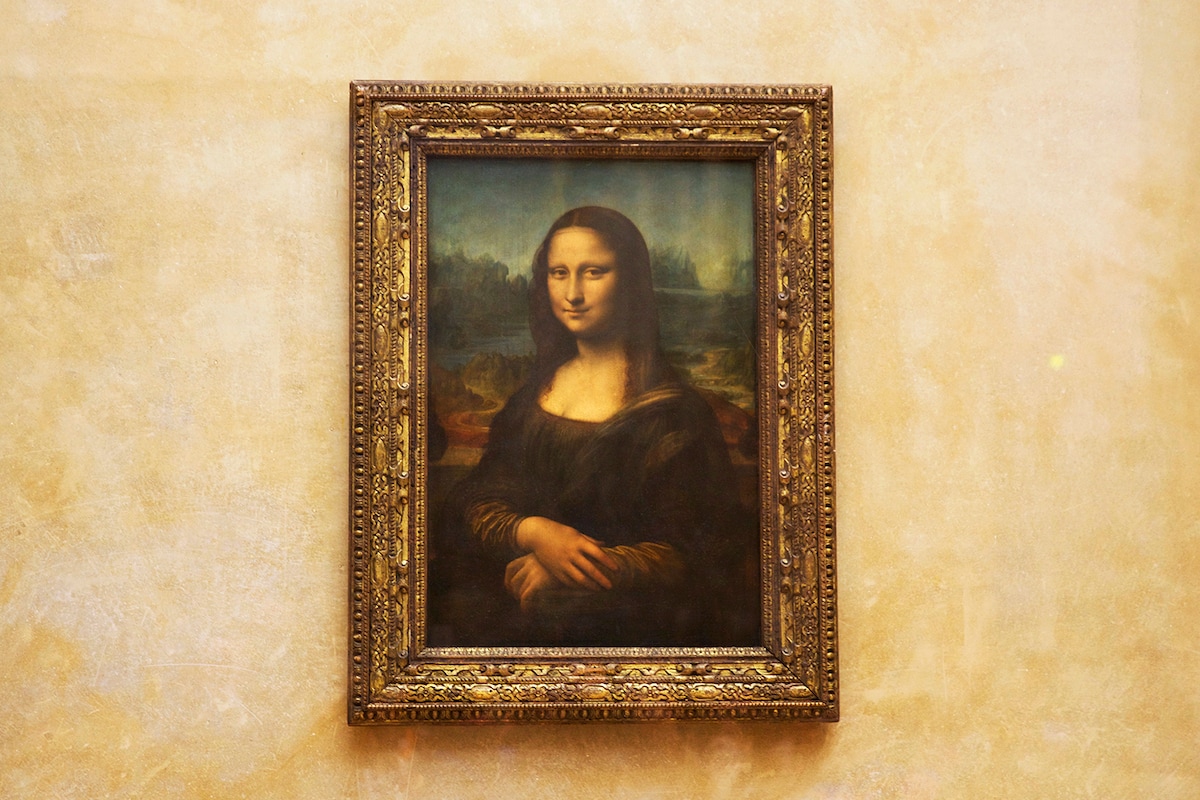
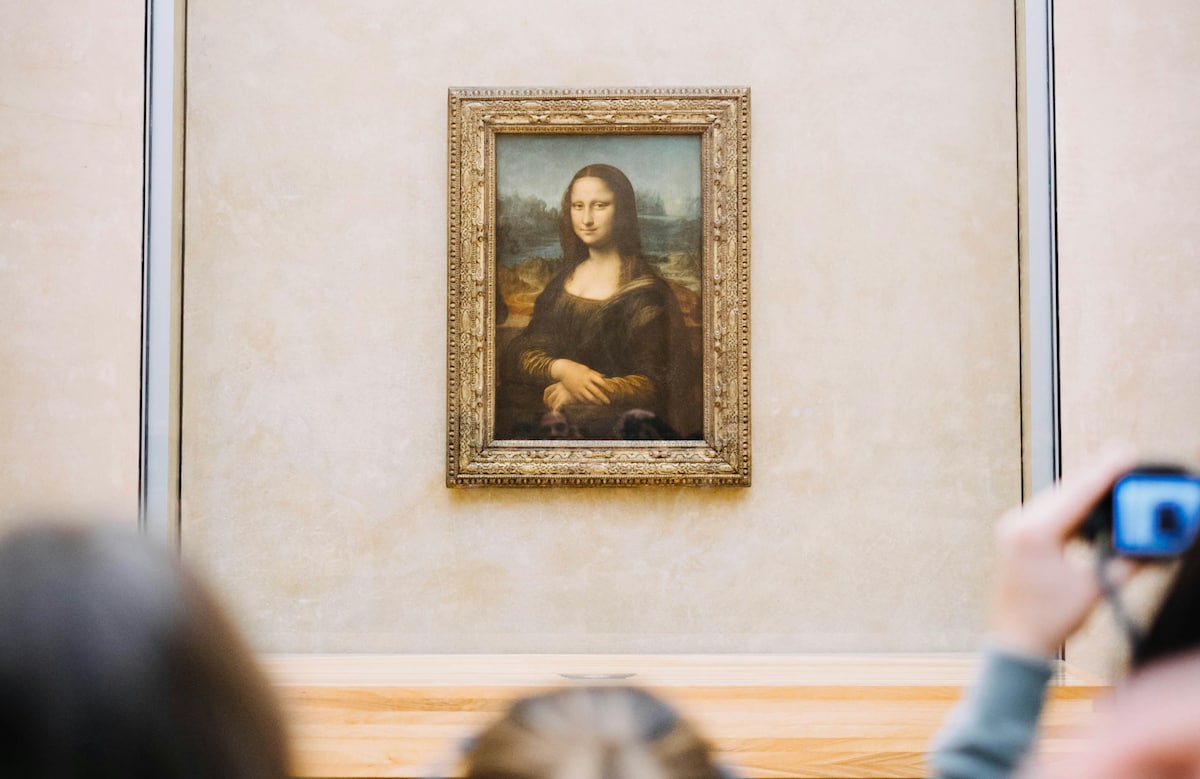
Stand face-to-face with the Mona Lisa, get lost in Impressionist masterpieces, and take in centuries of history.
Browse by museum
1 di 1 pagine


Paris museum tours under $40
Explore budget-friendly museum tours in the city.
1 di 1 pagine



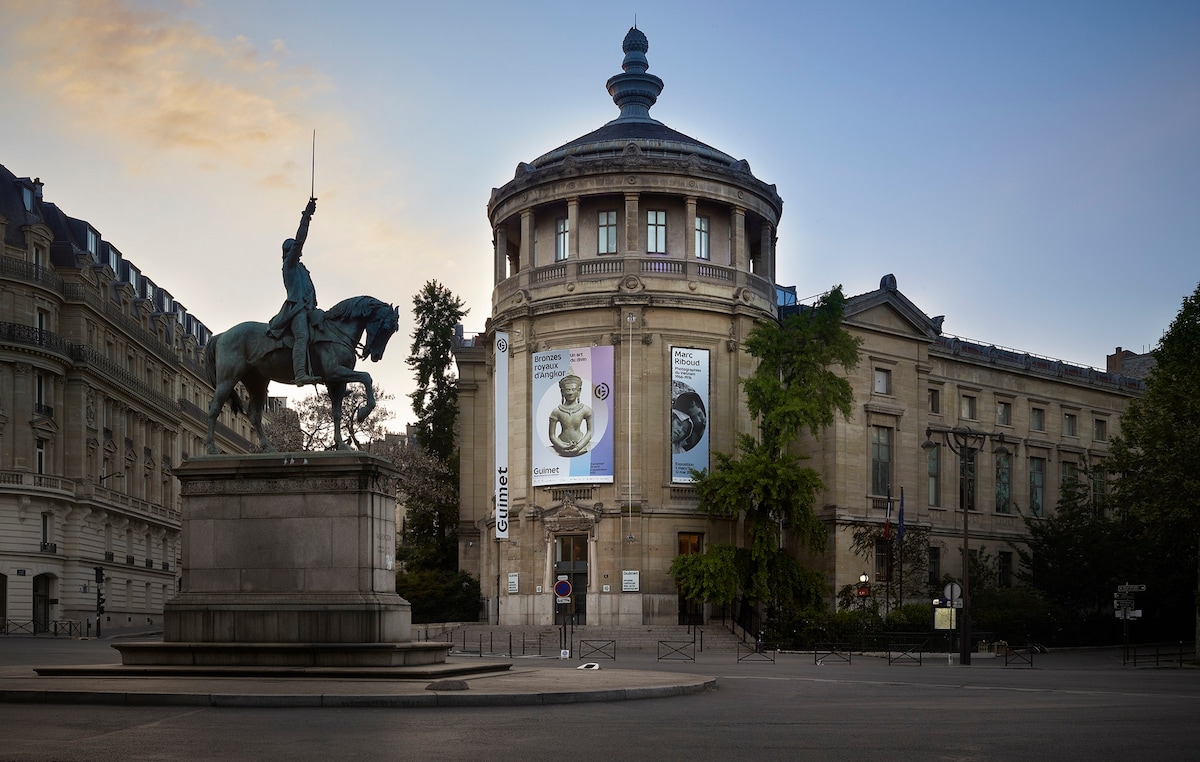
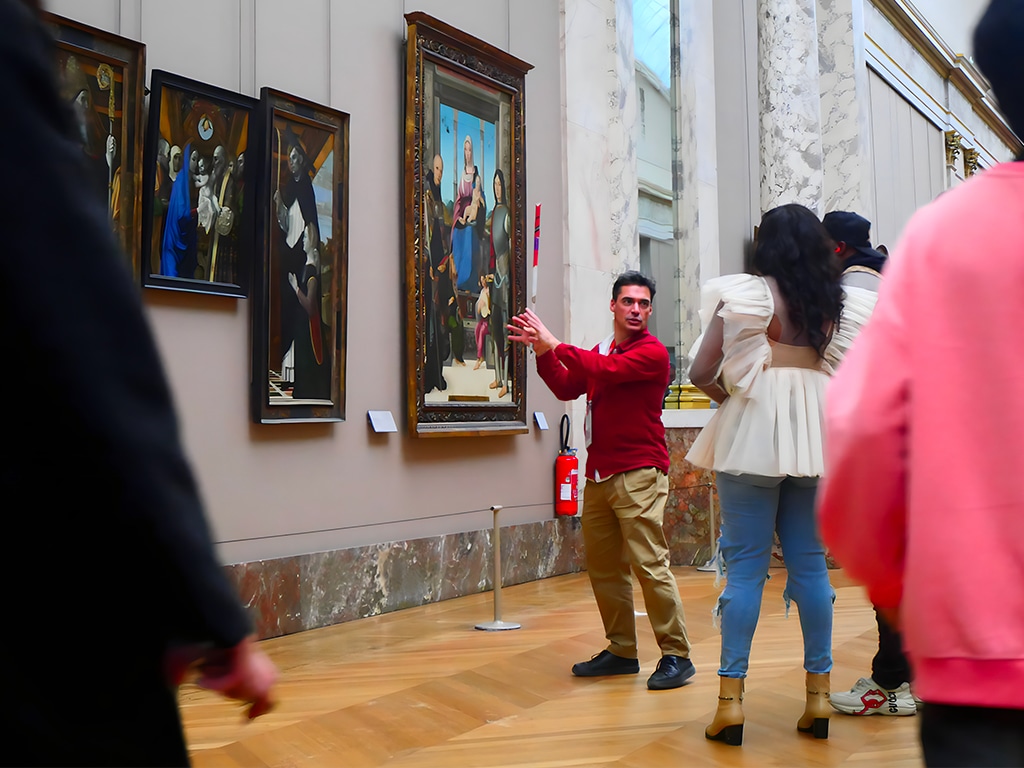
Louvre Museum tours
Get an insider’s view of the Louvre Museum.
1 di 1 pagine


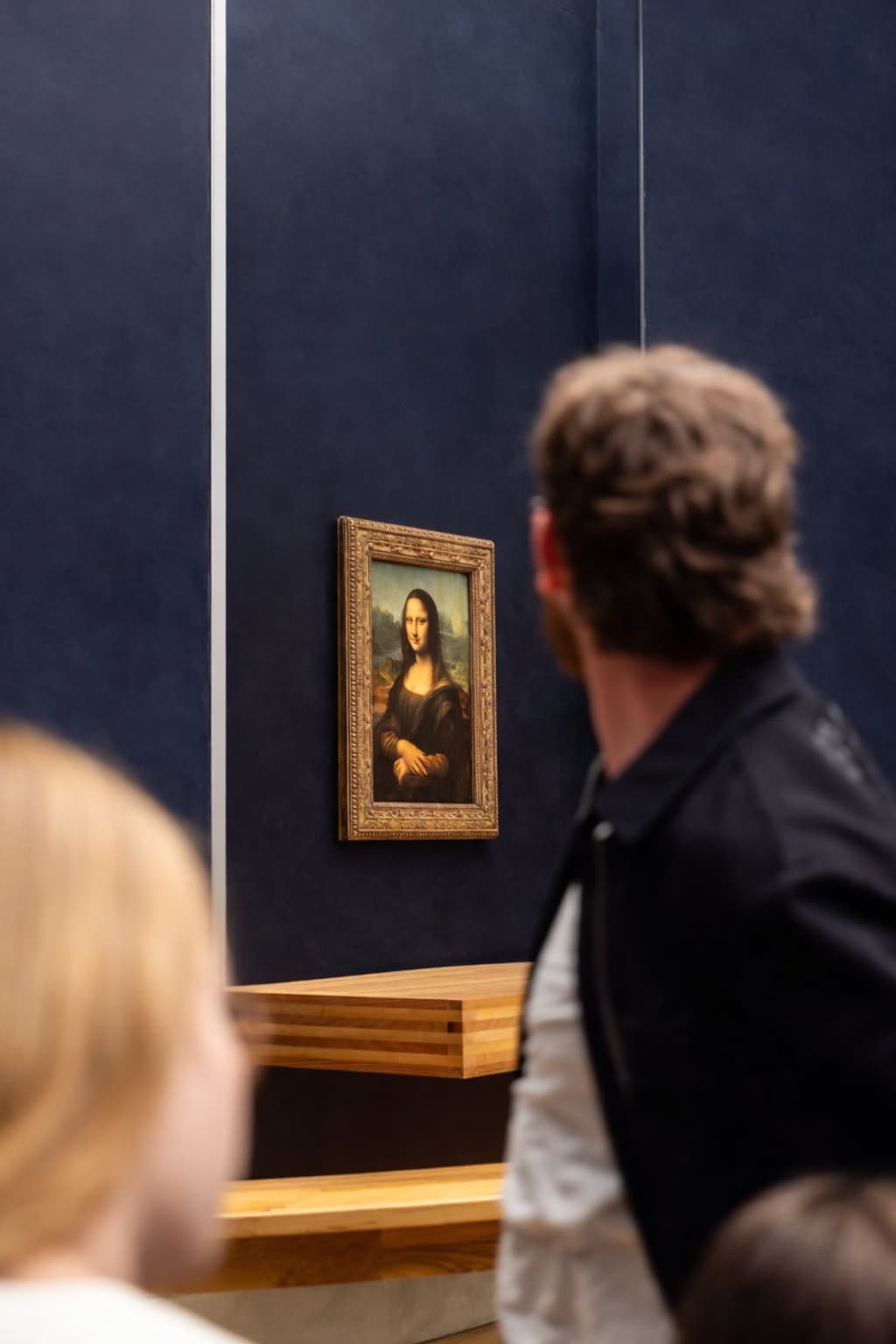
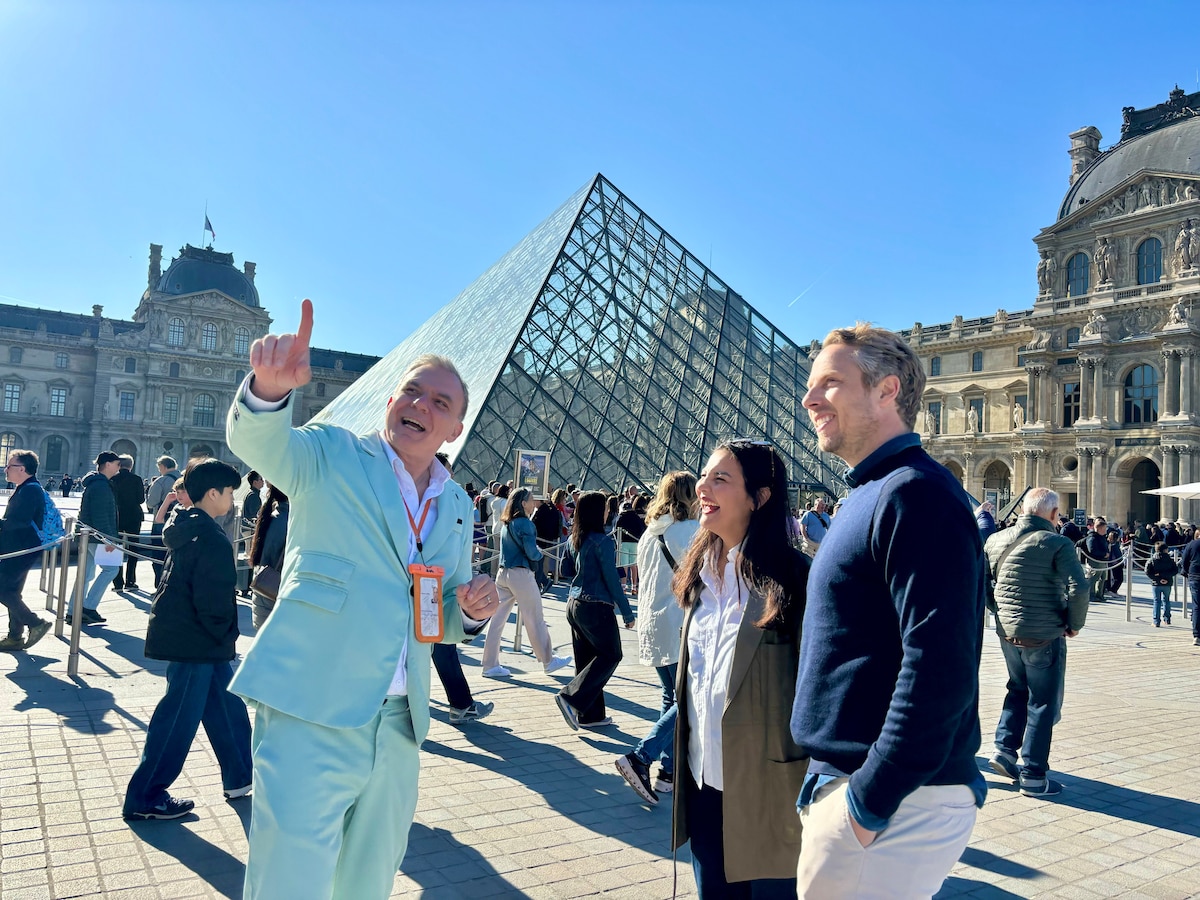


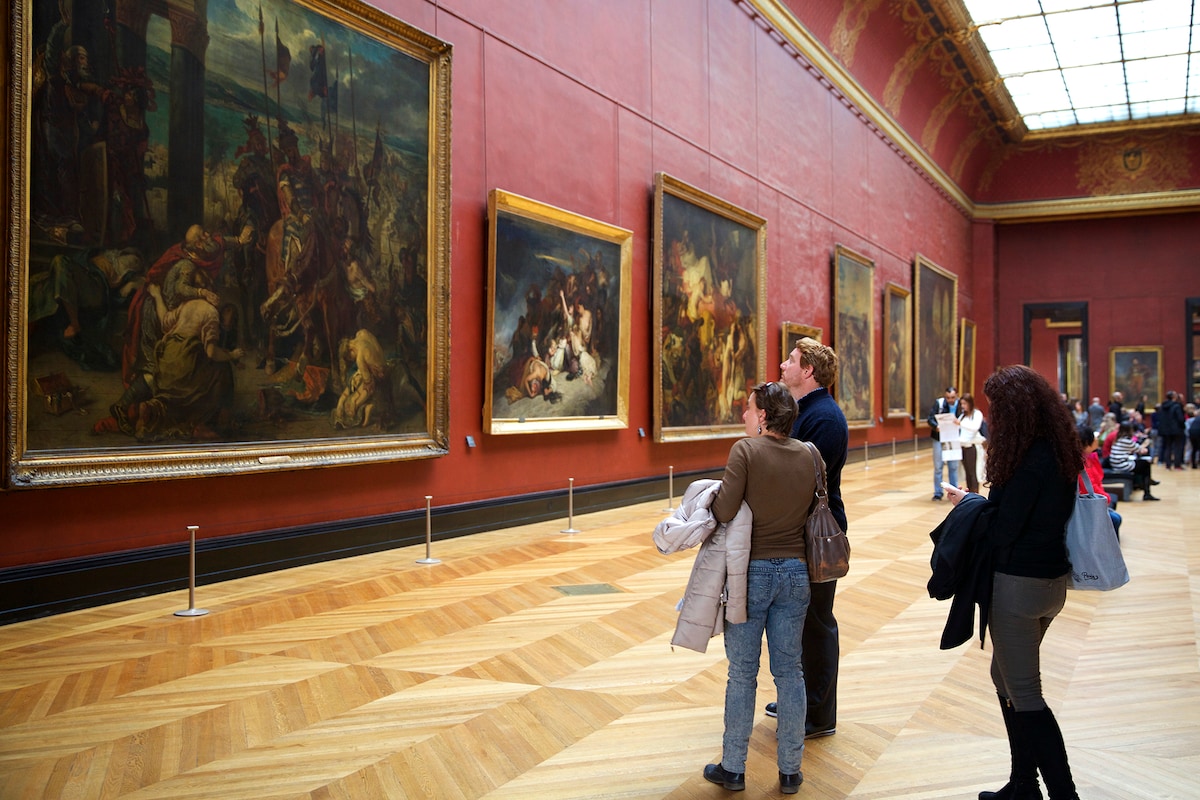






Musée d’Orsay tours
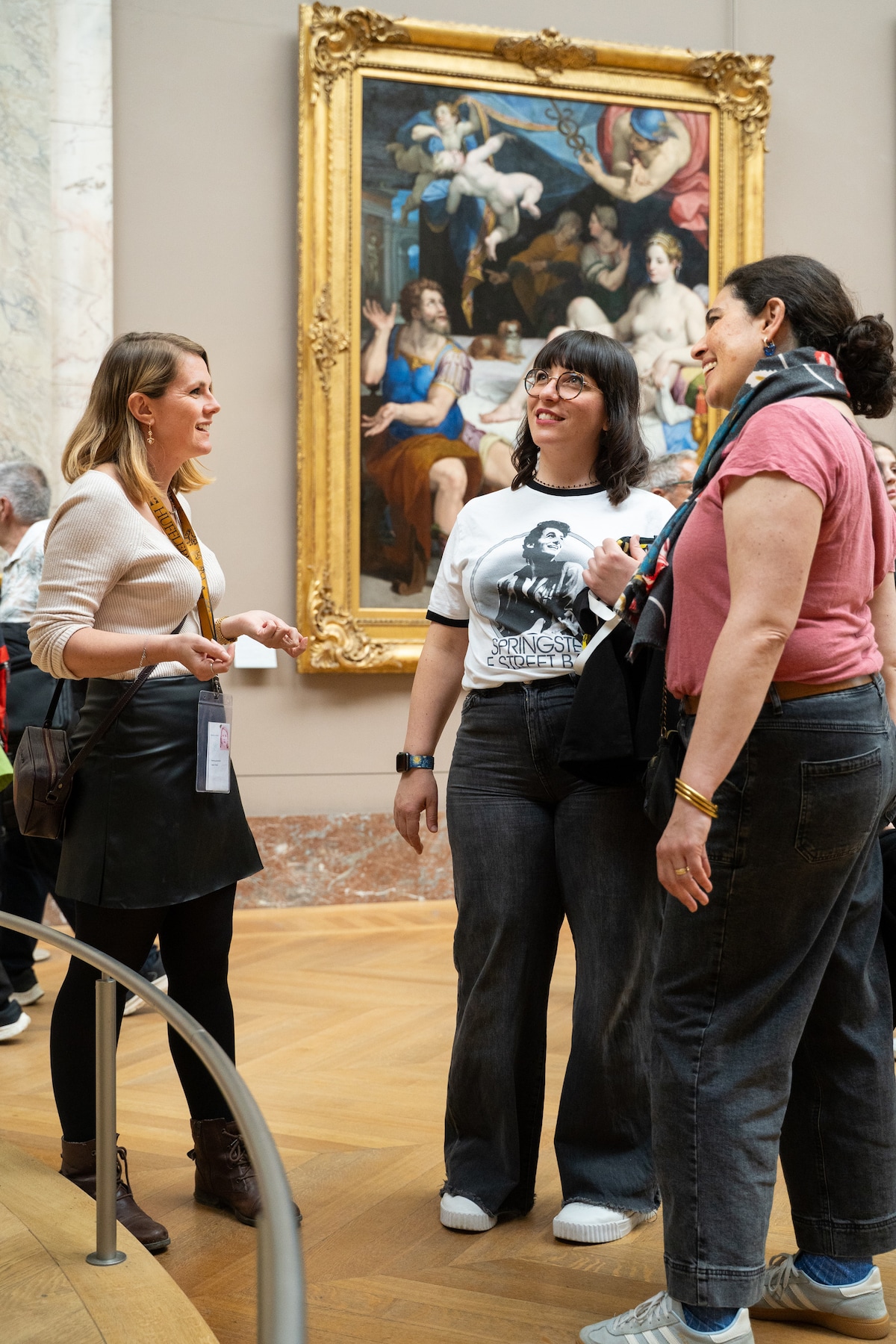
Get an insider’s view of the Musée d’Orsay.
1 di 1 pagine
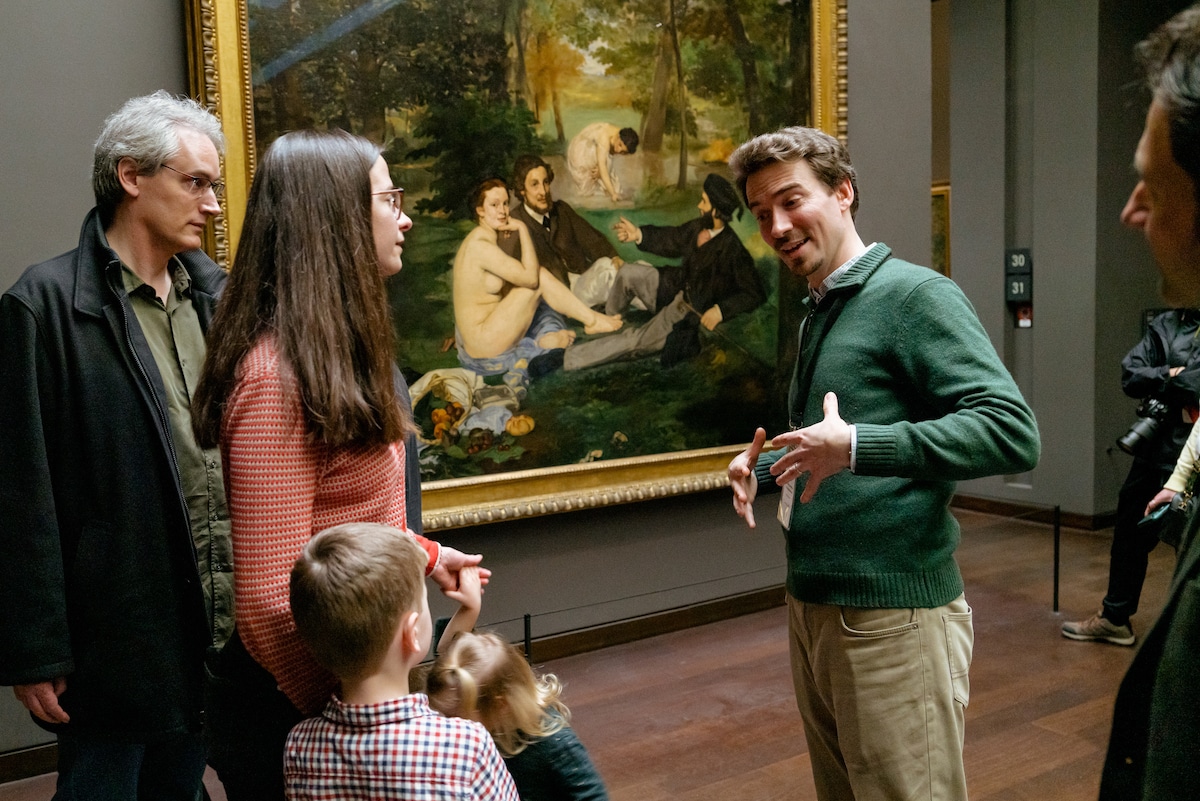









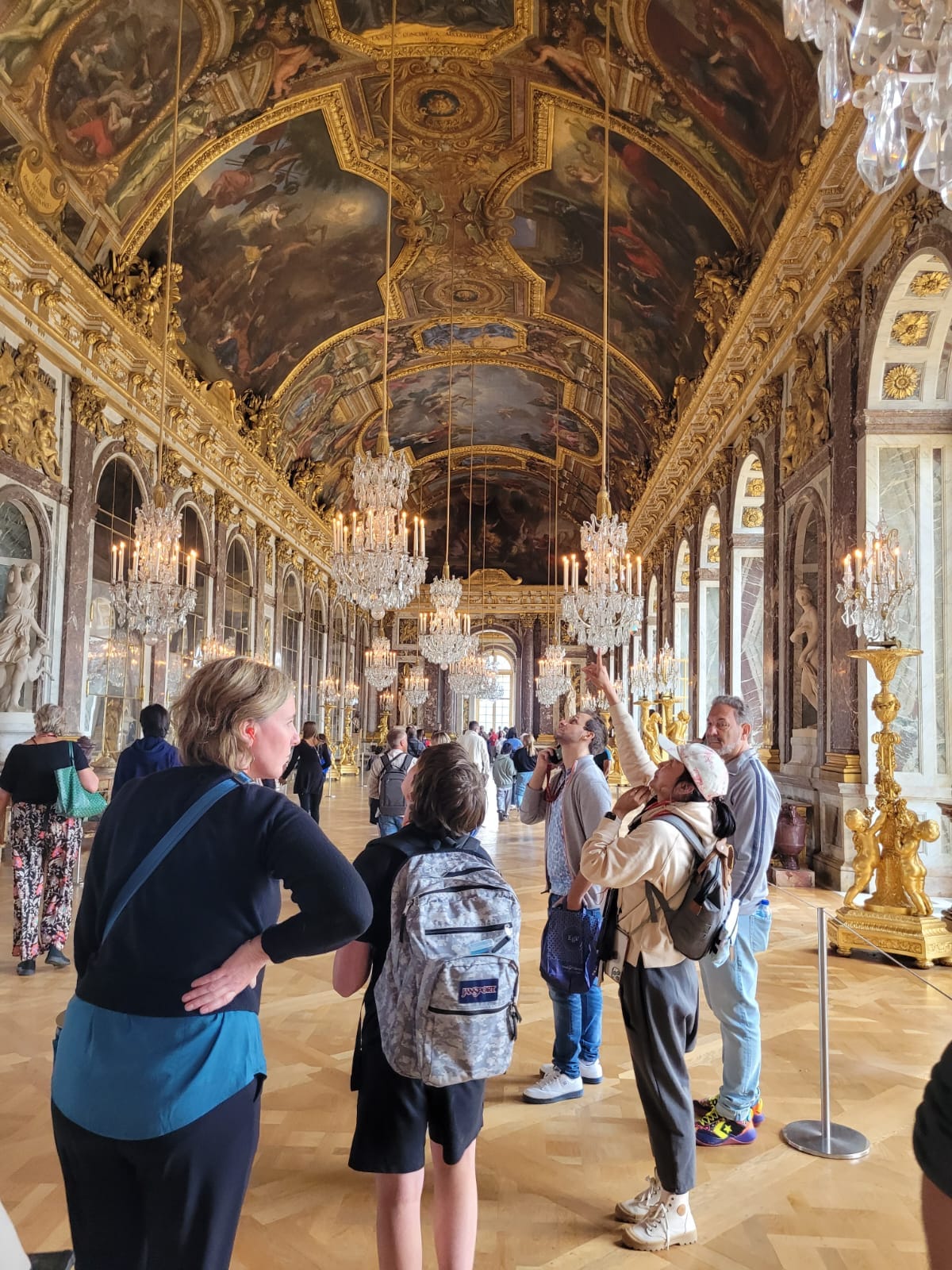
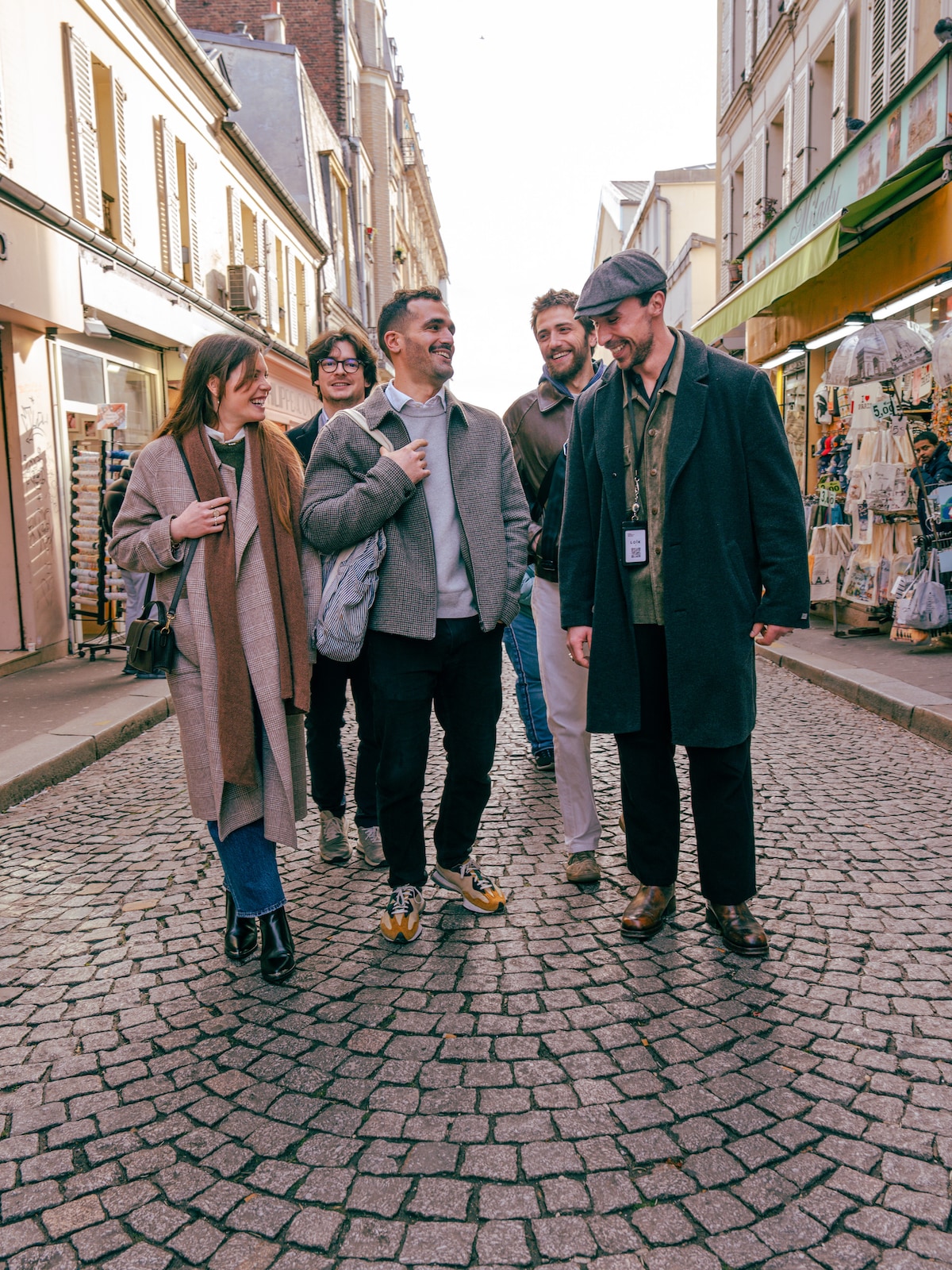
Les Invalides tours
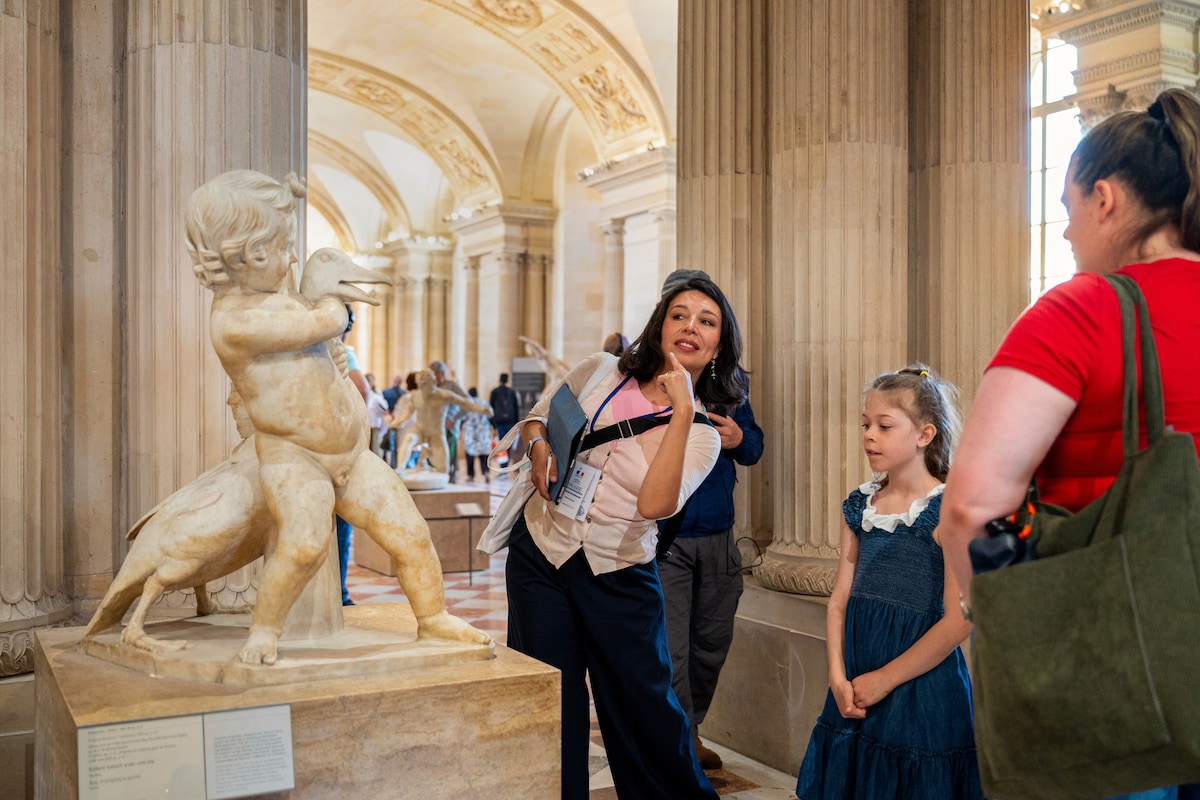
Get an insider’s view of Les Invalides.
1 di 1 pagine
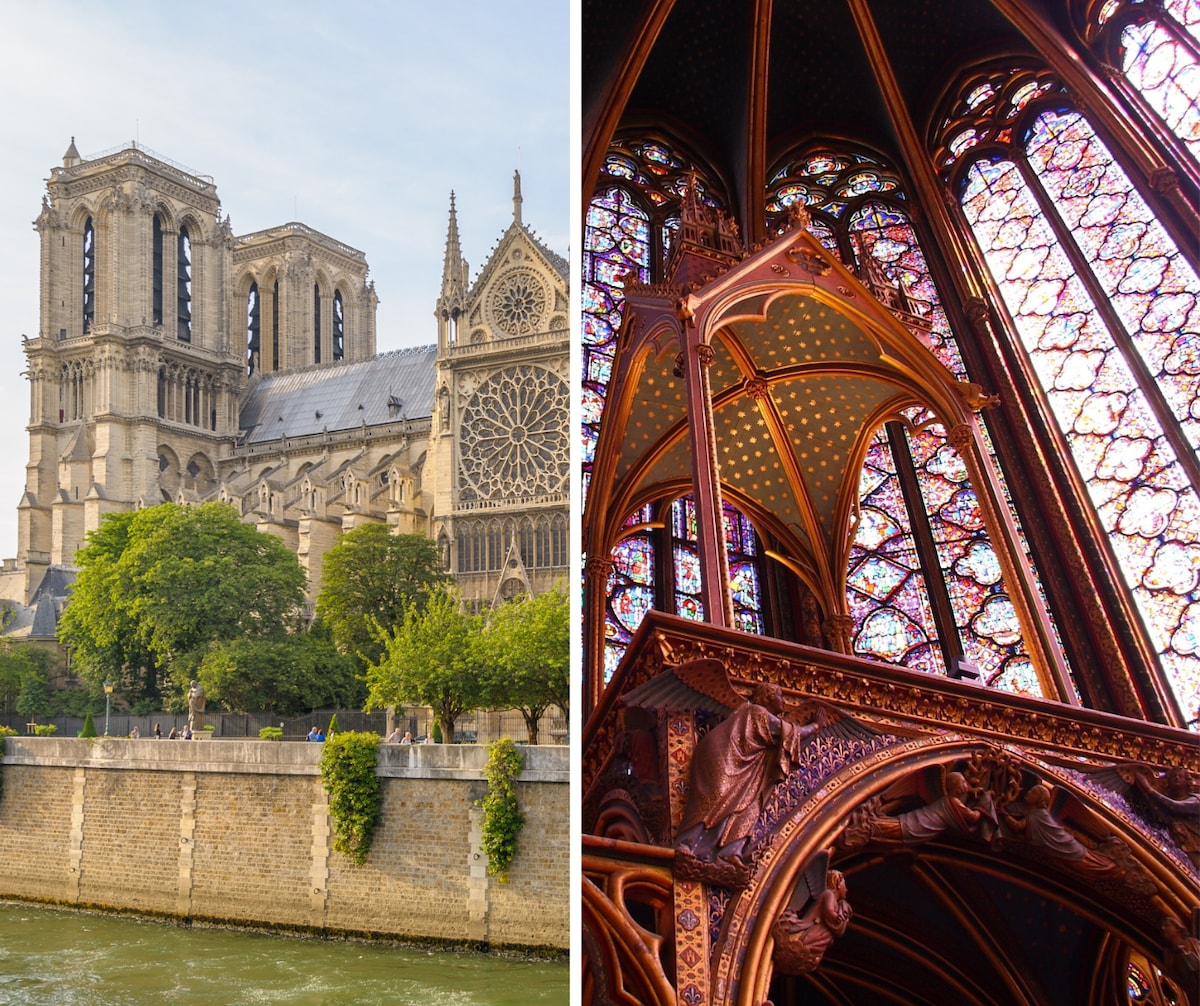

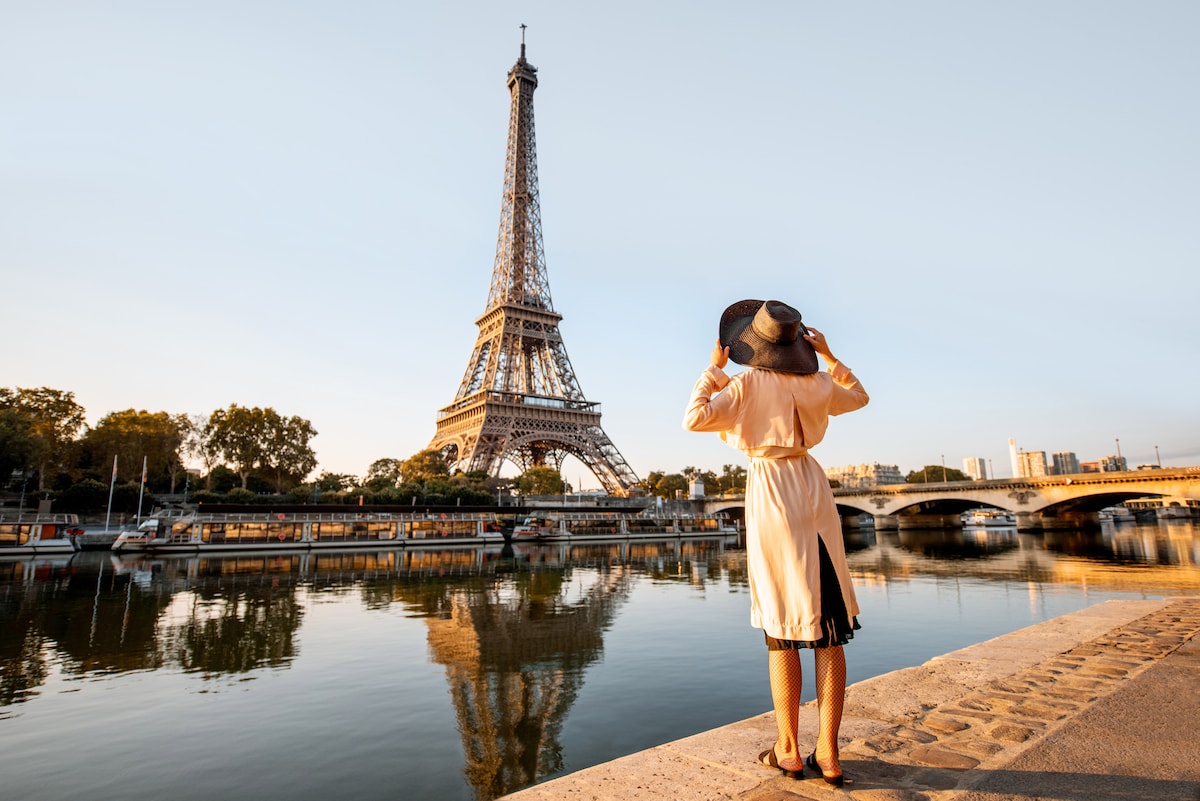


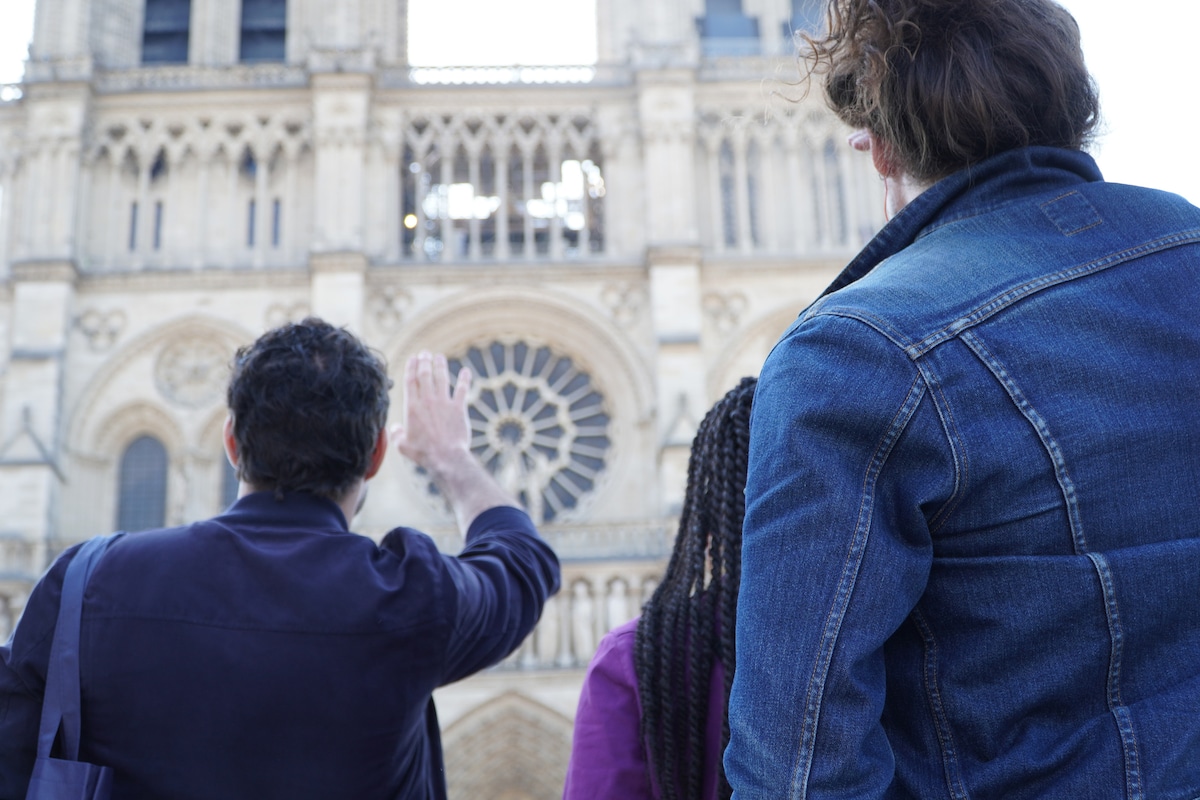
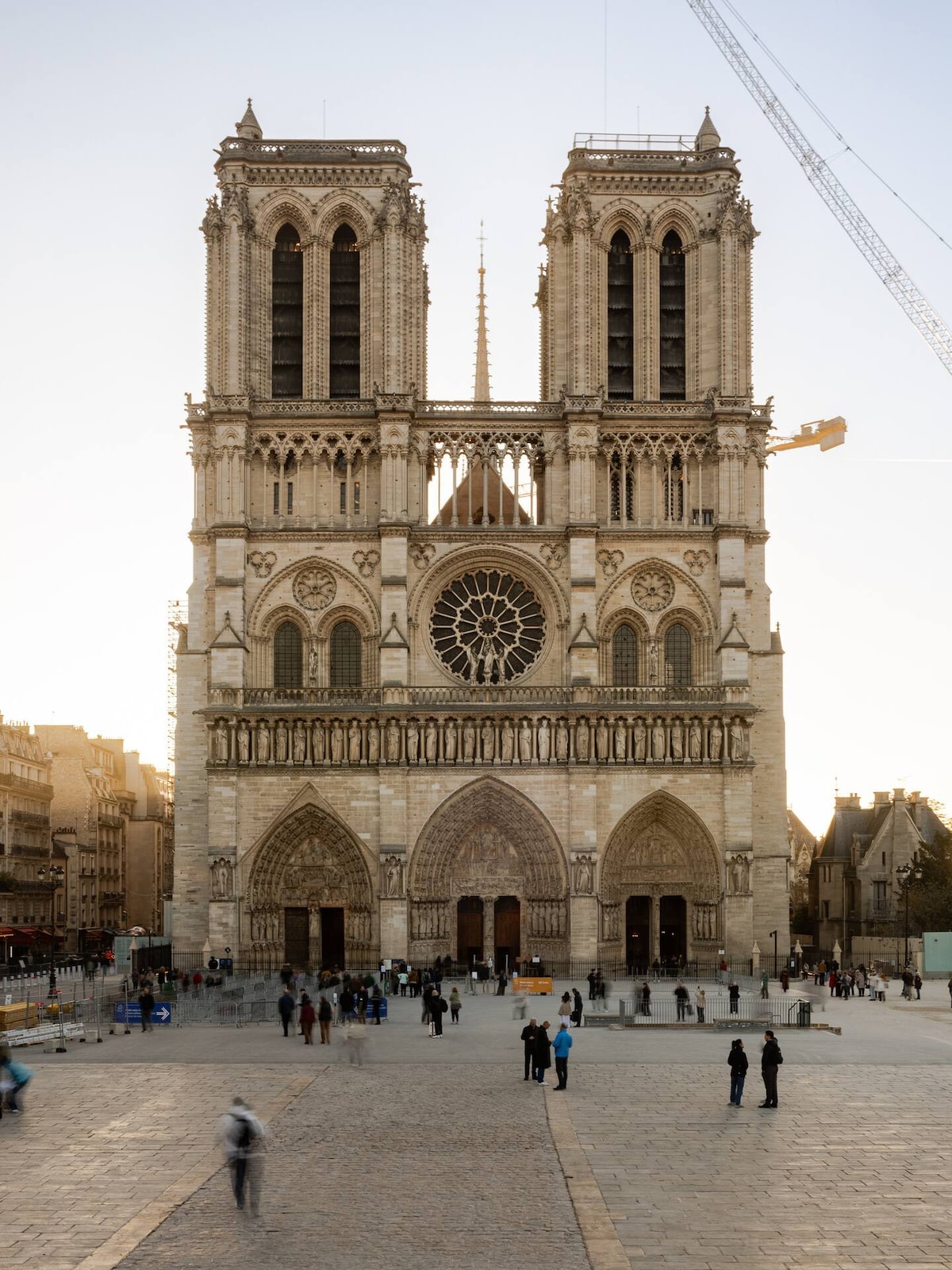
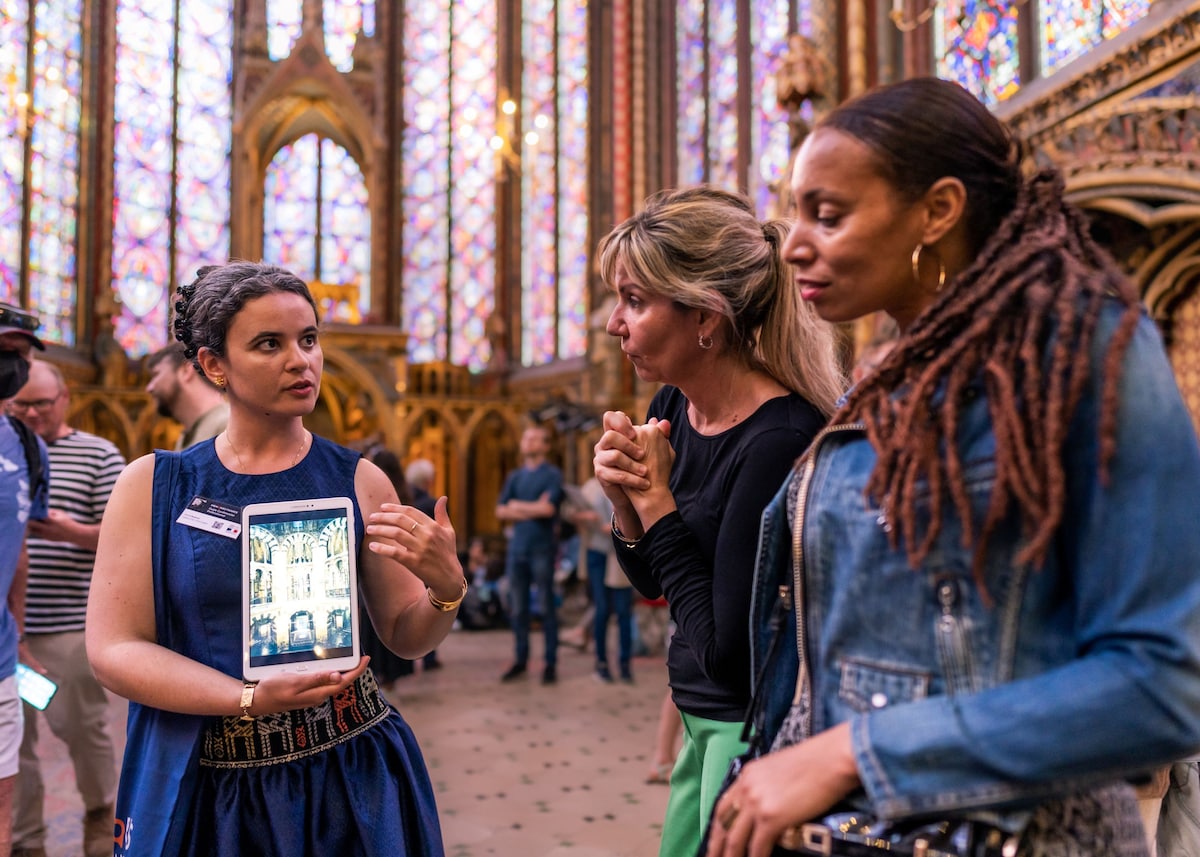
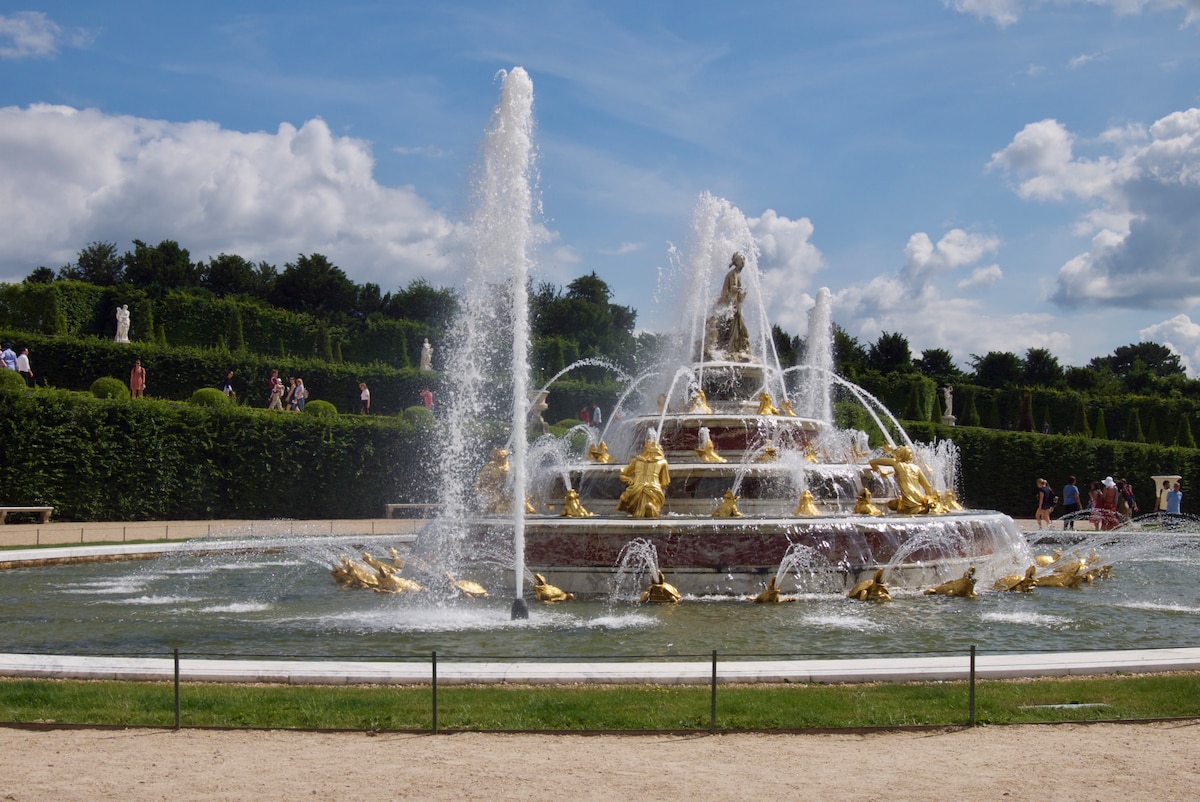

Other Popular museum tours in Paris
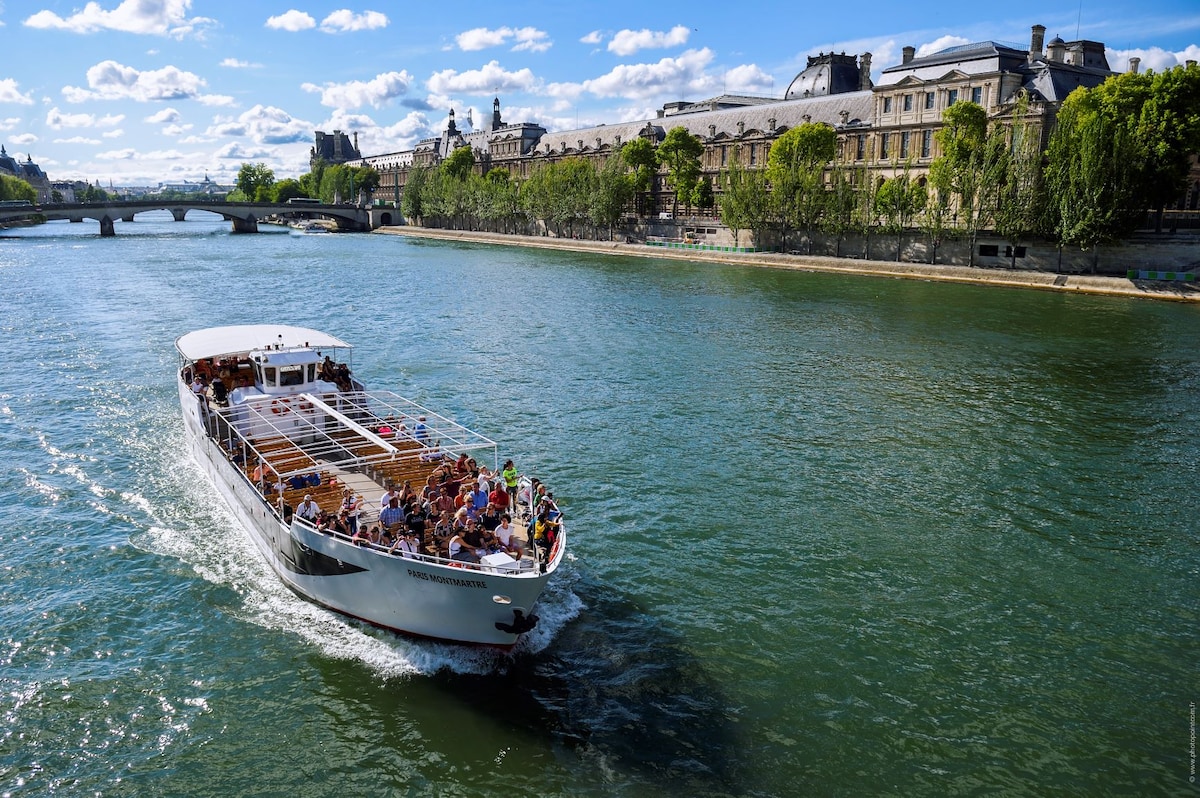
Book the most-loved museum tours across the city.
1 di 1 pagine
About Paris museums
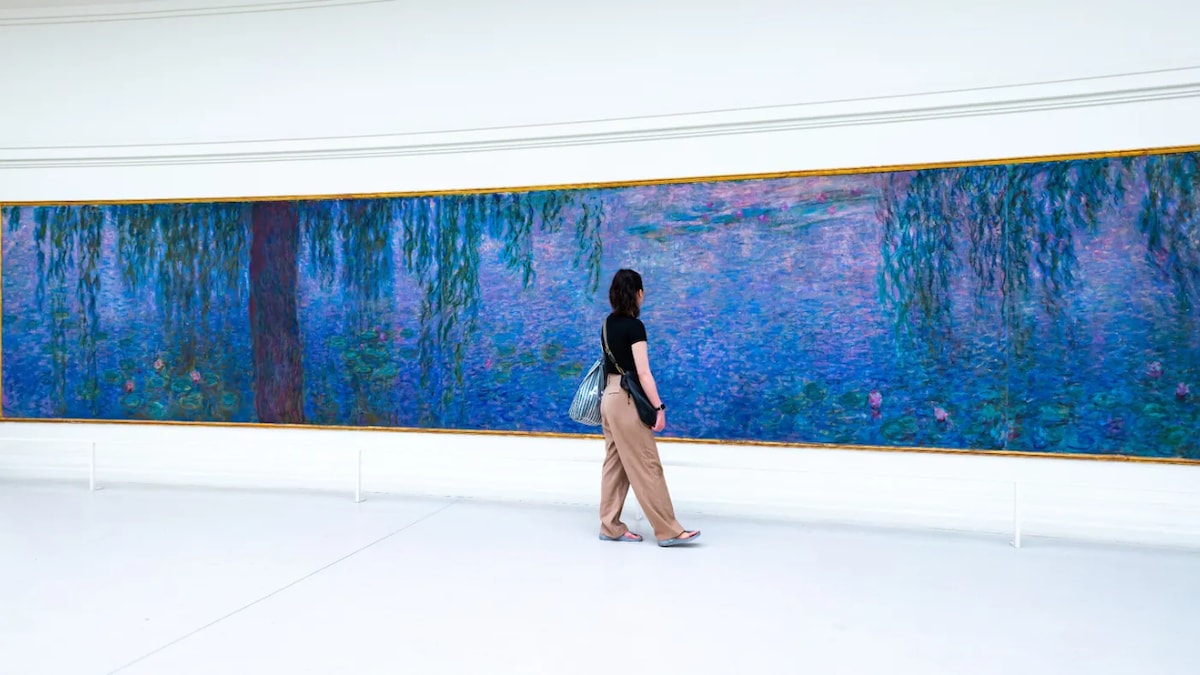
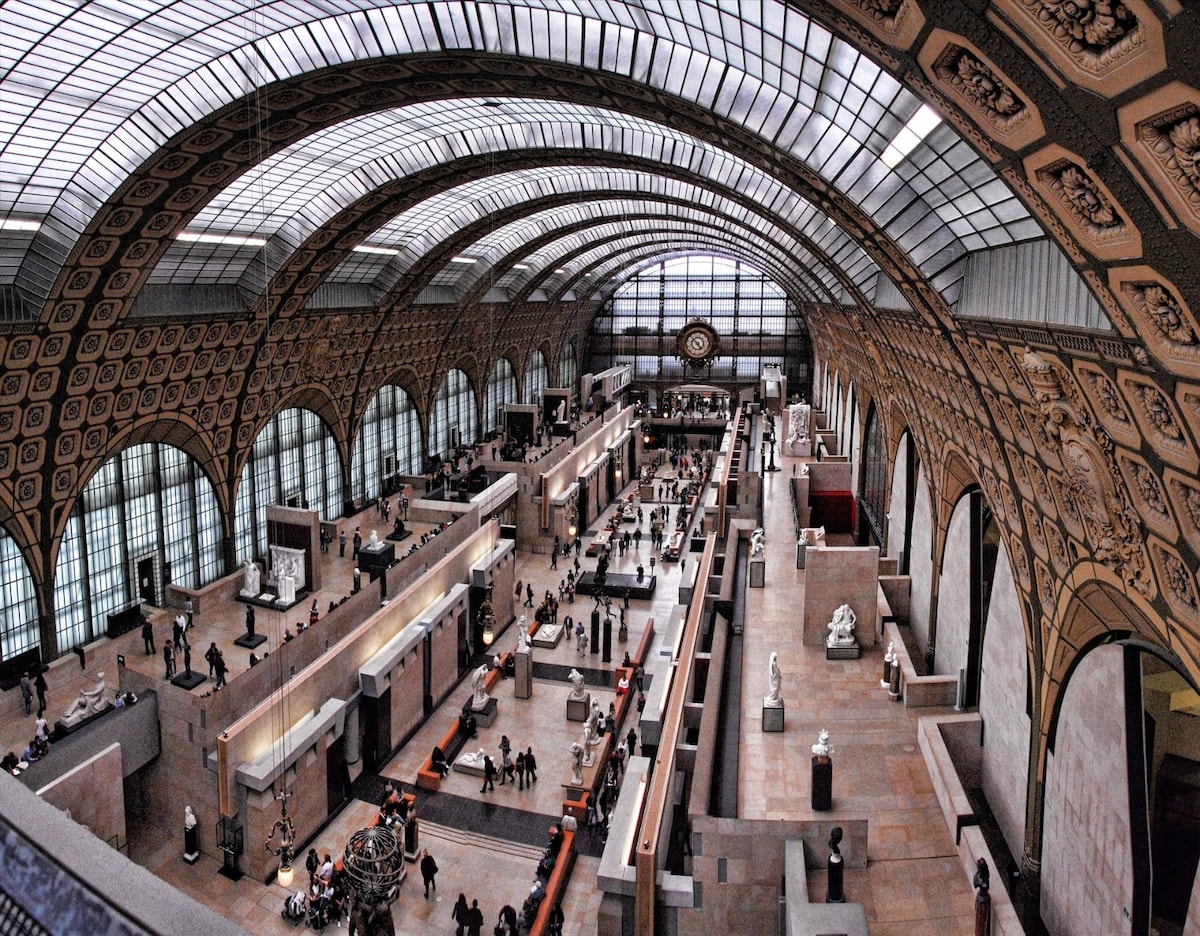
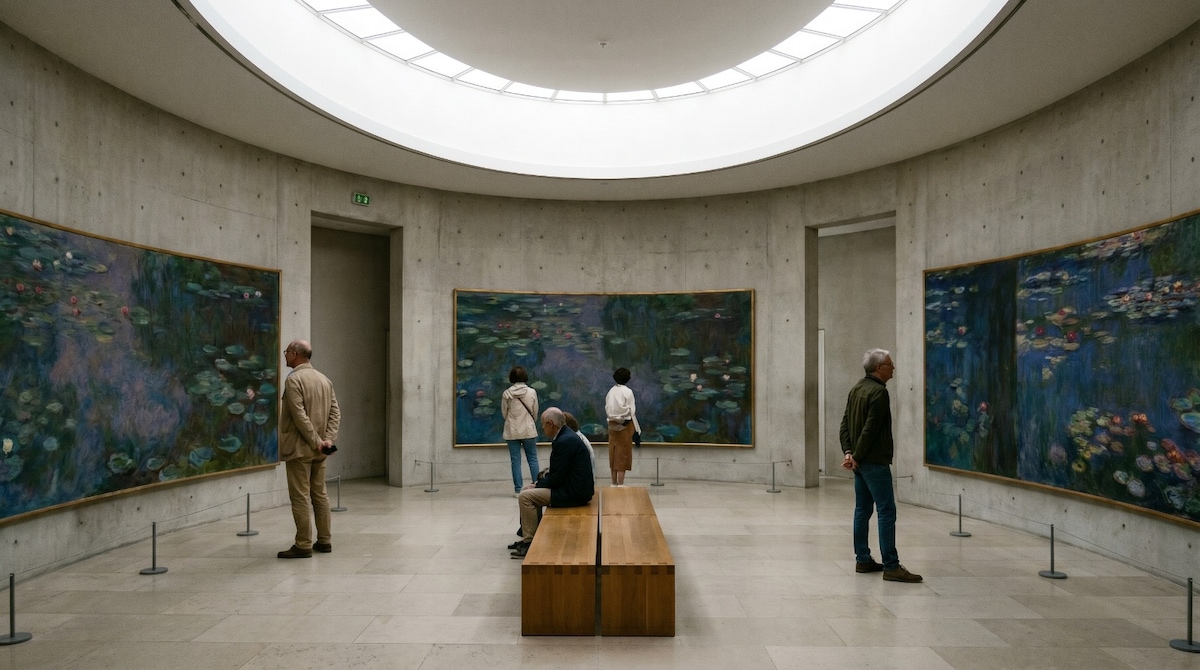
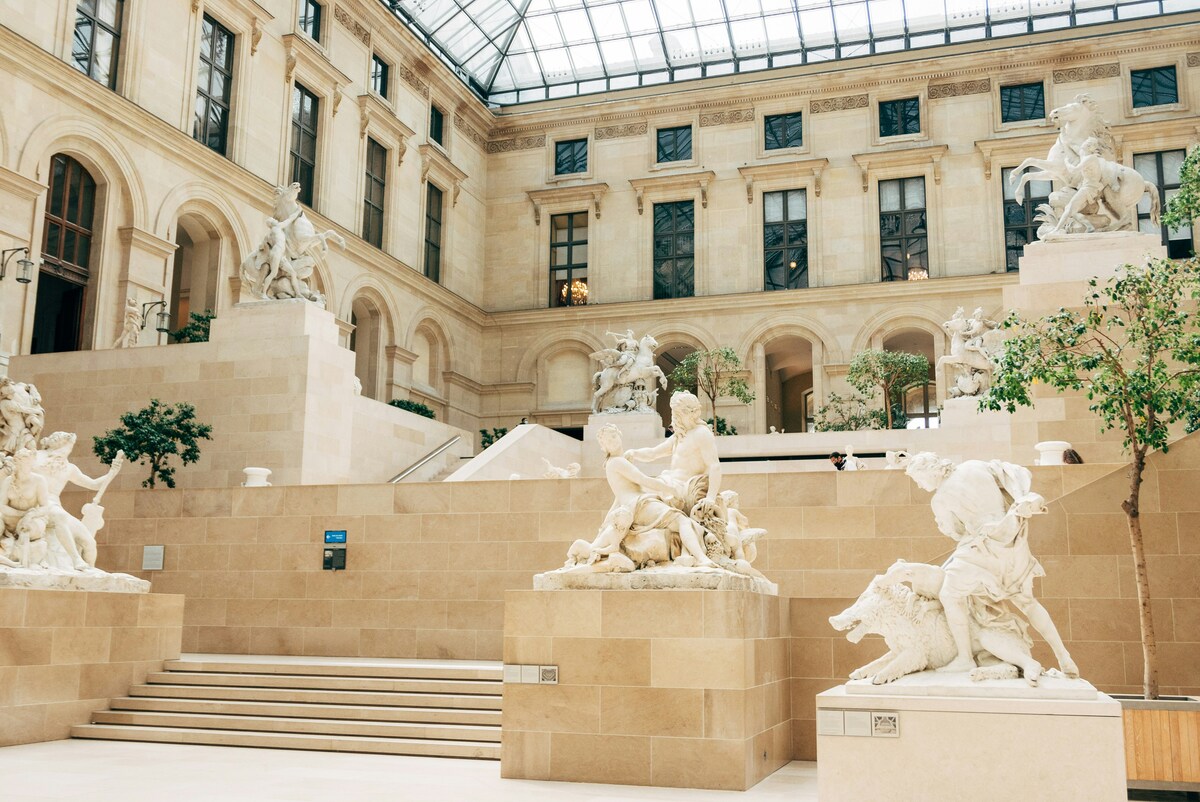
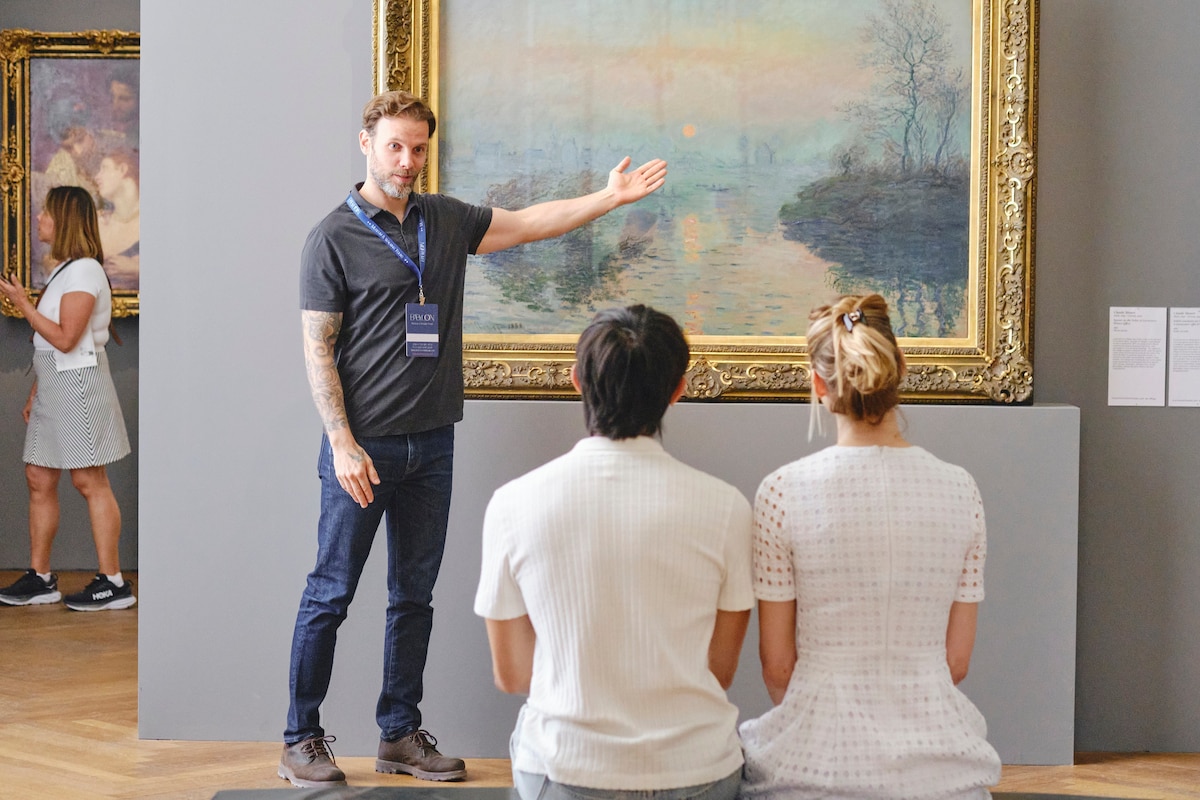
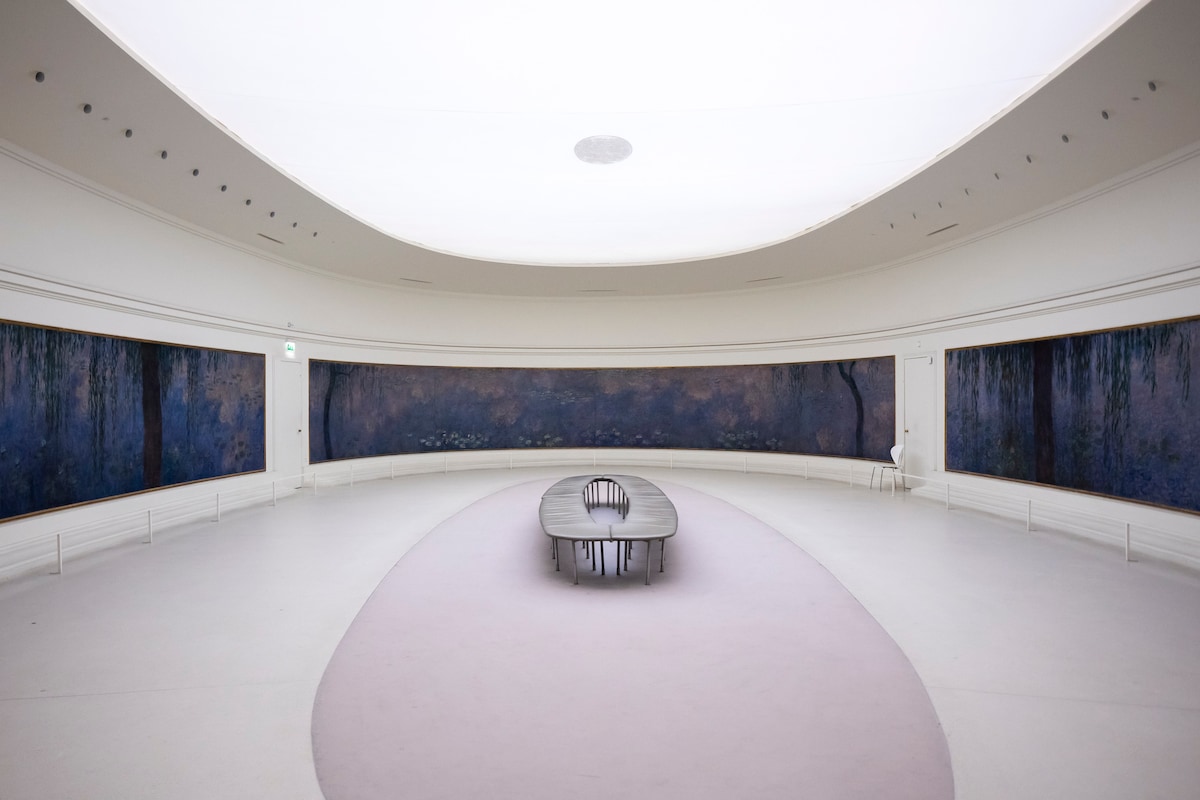
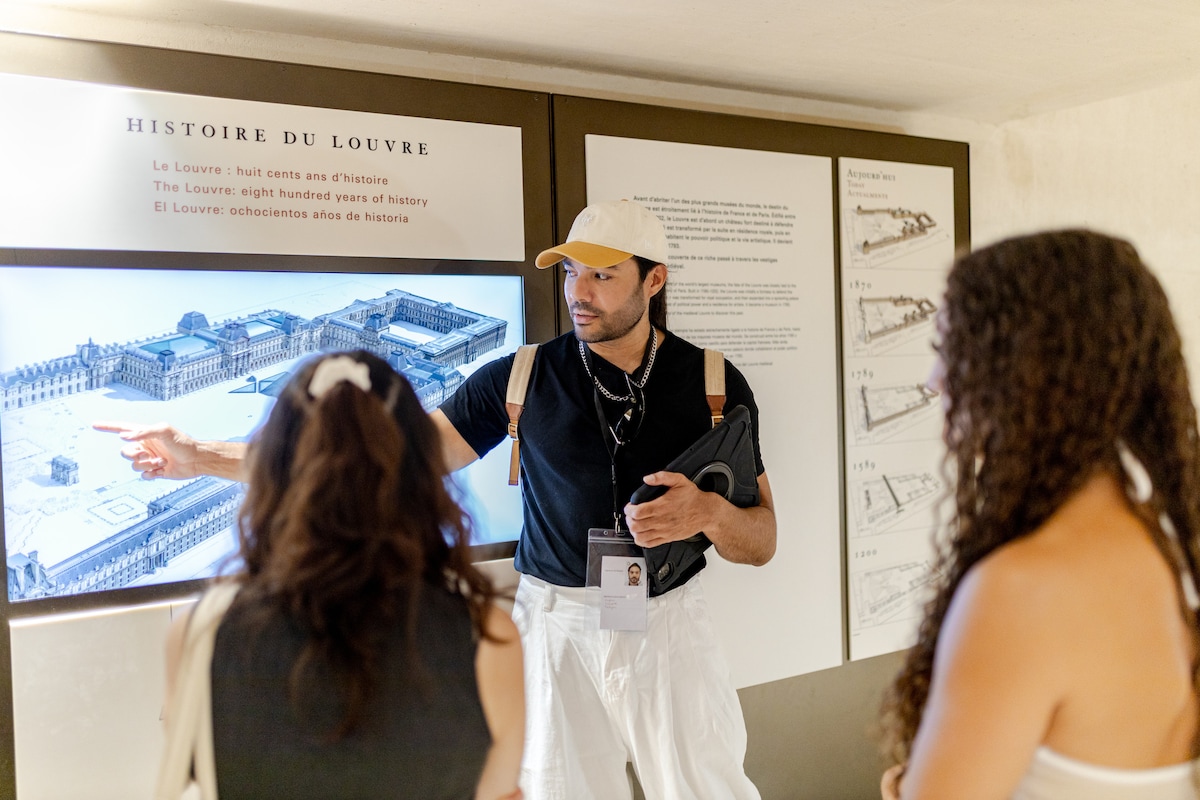
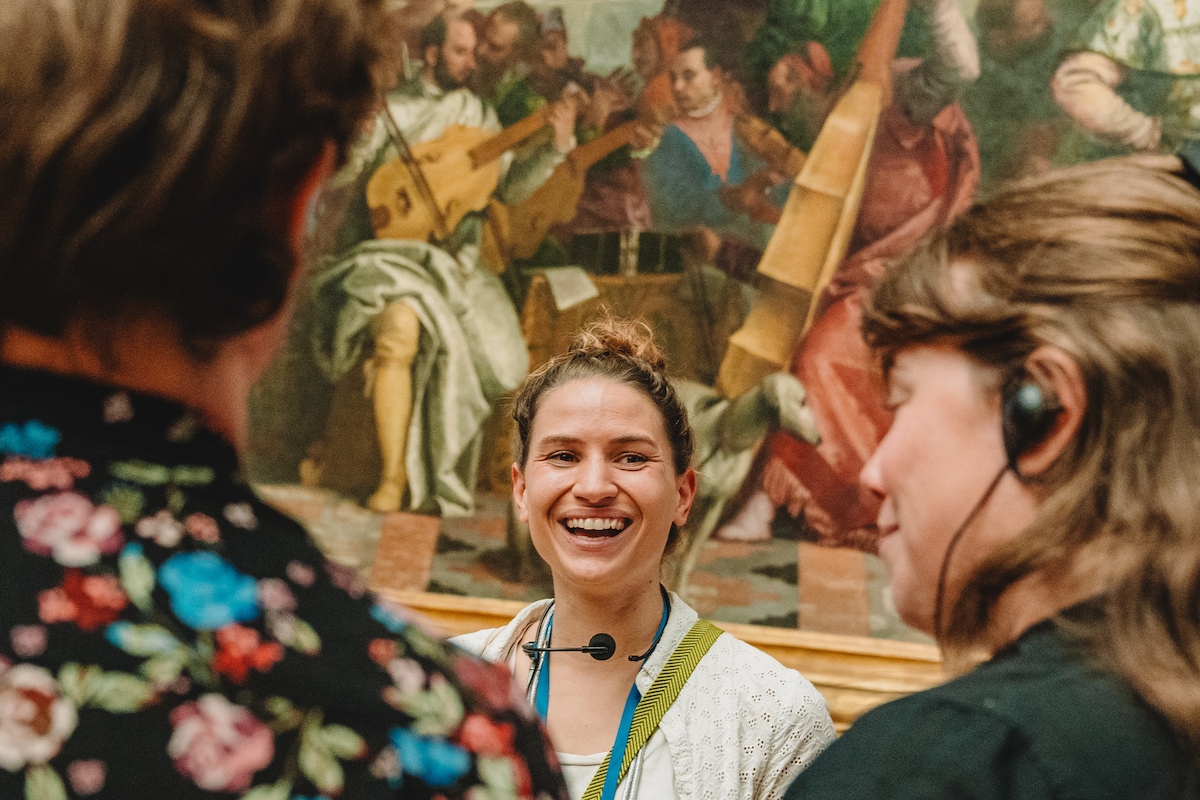
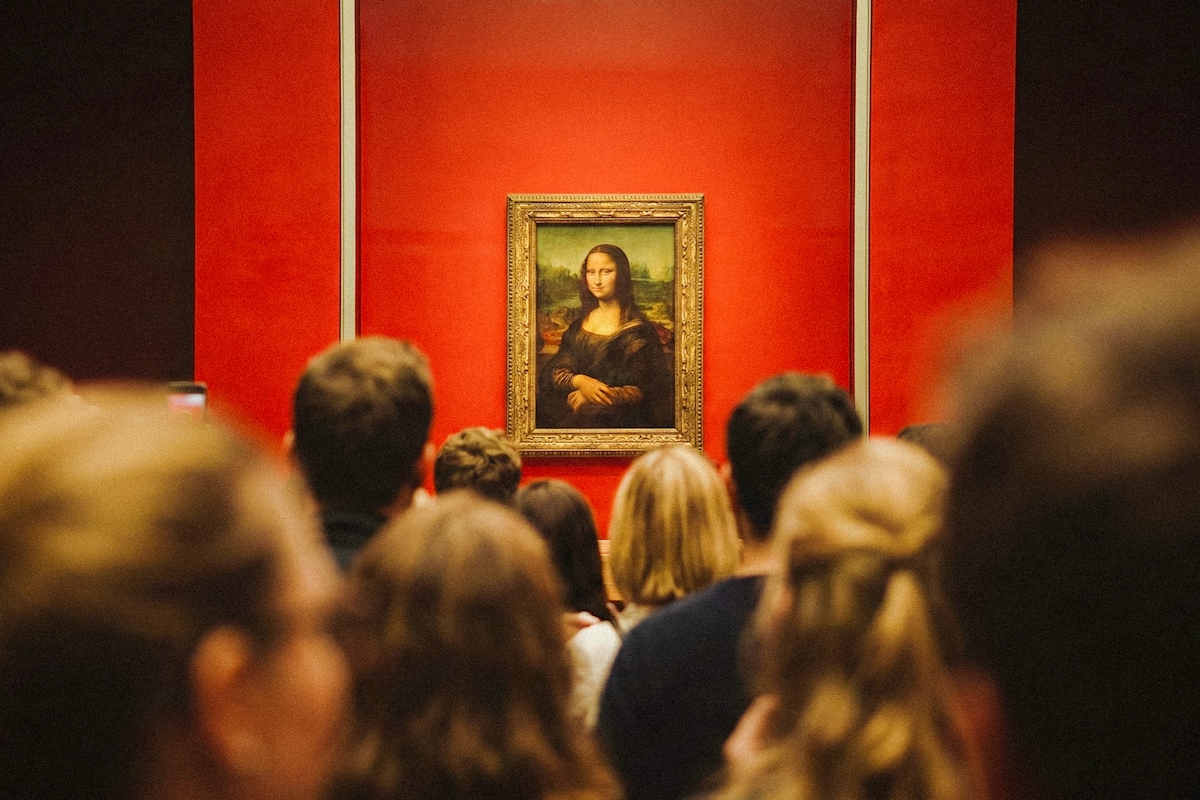
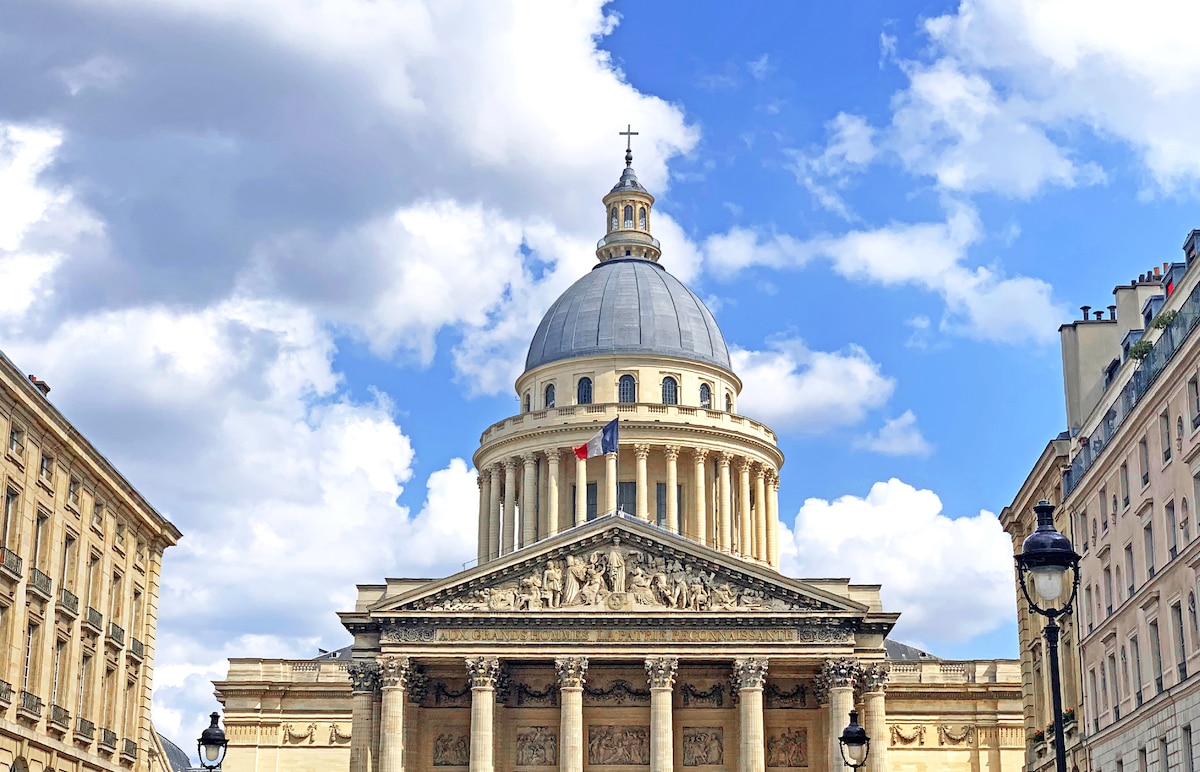
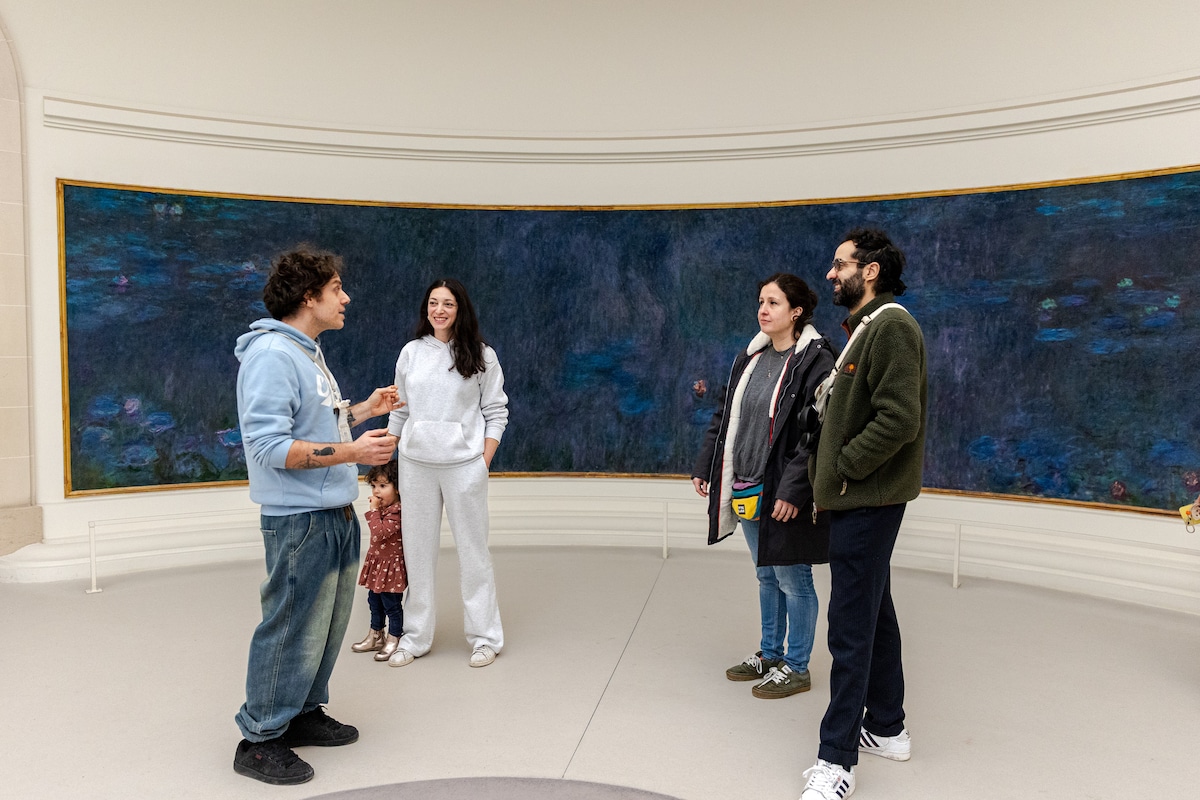
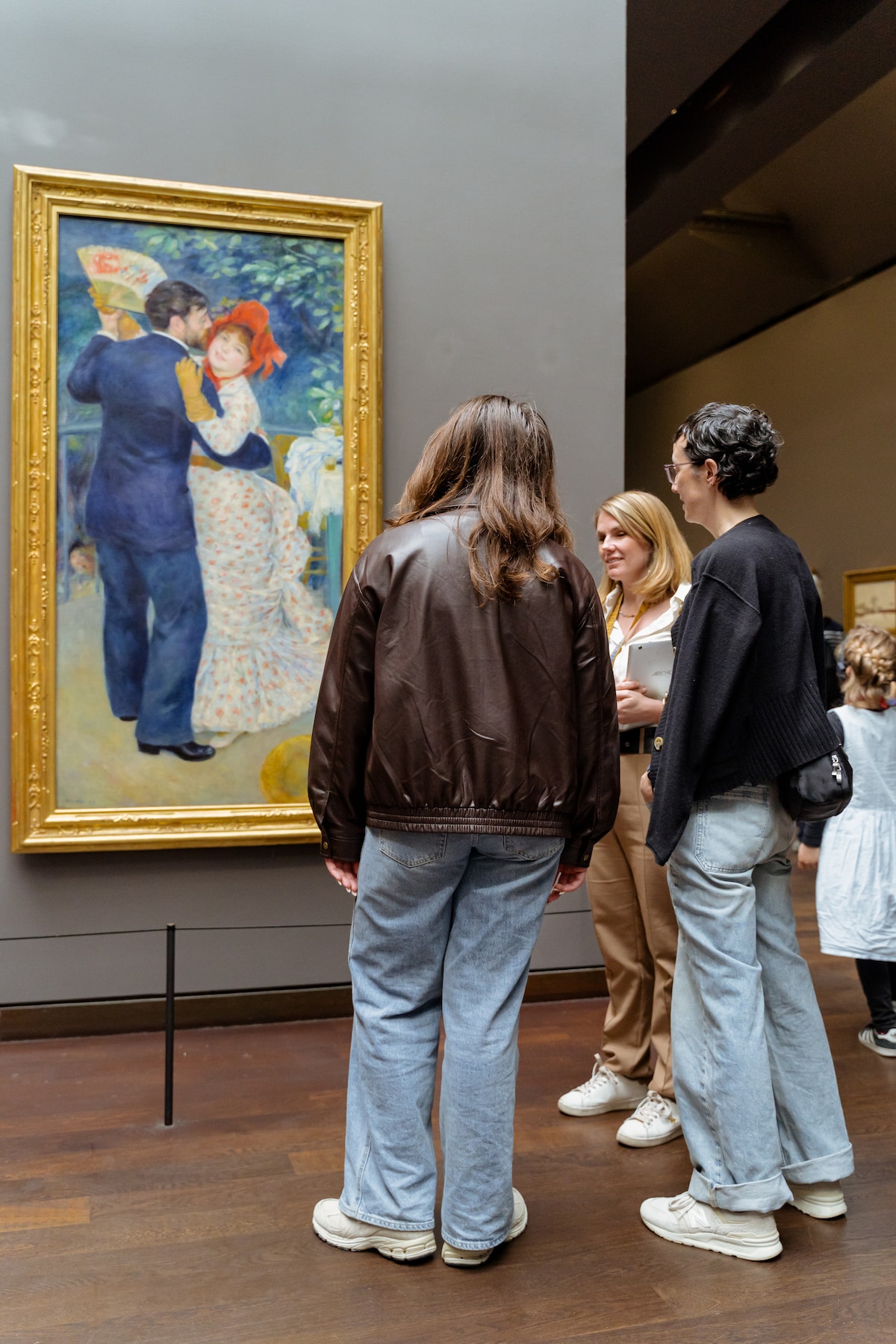
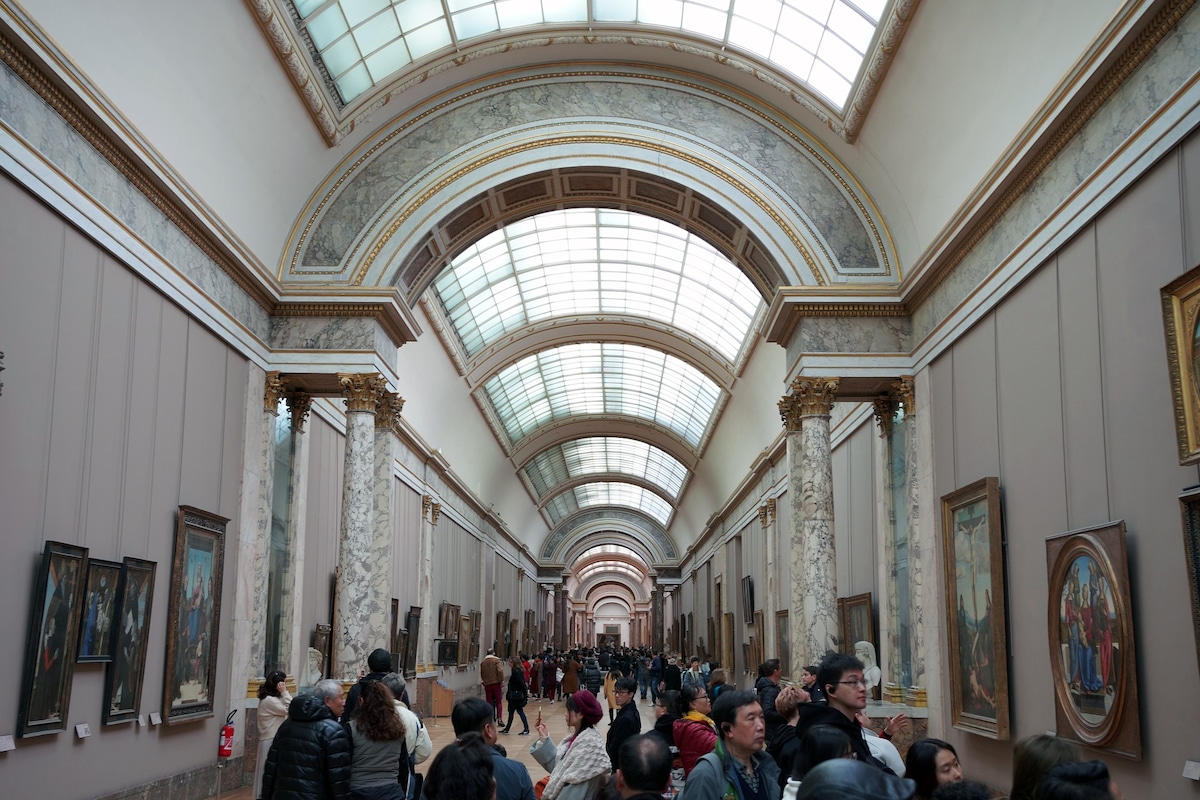
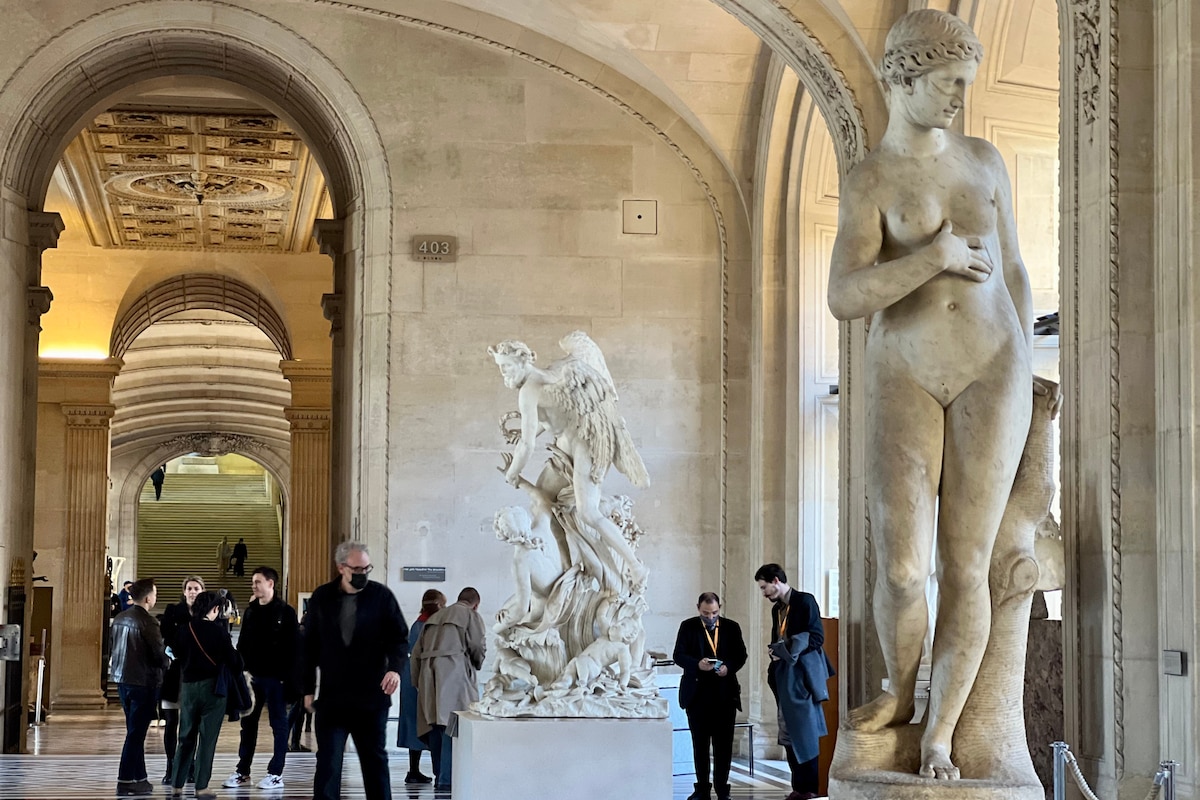
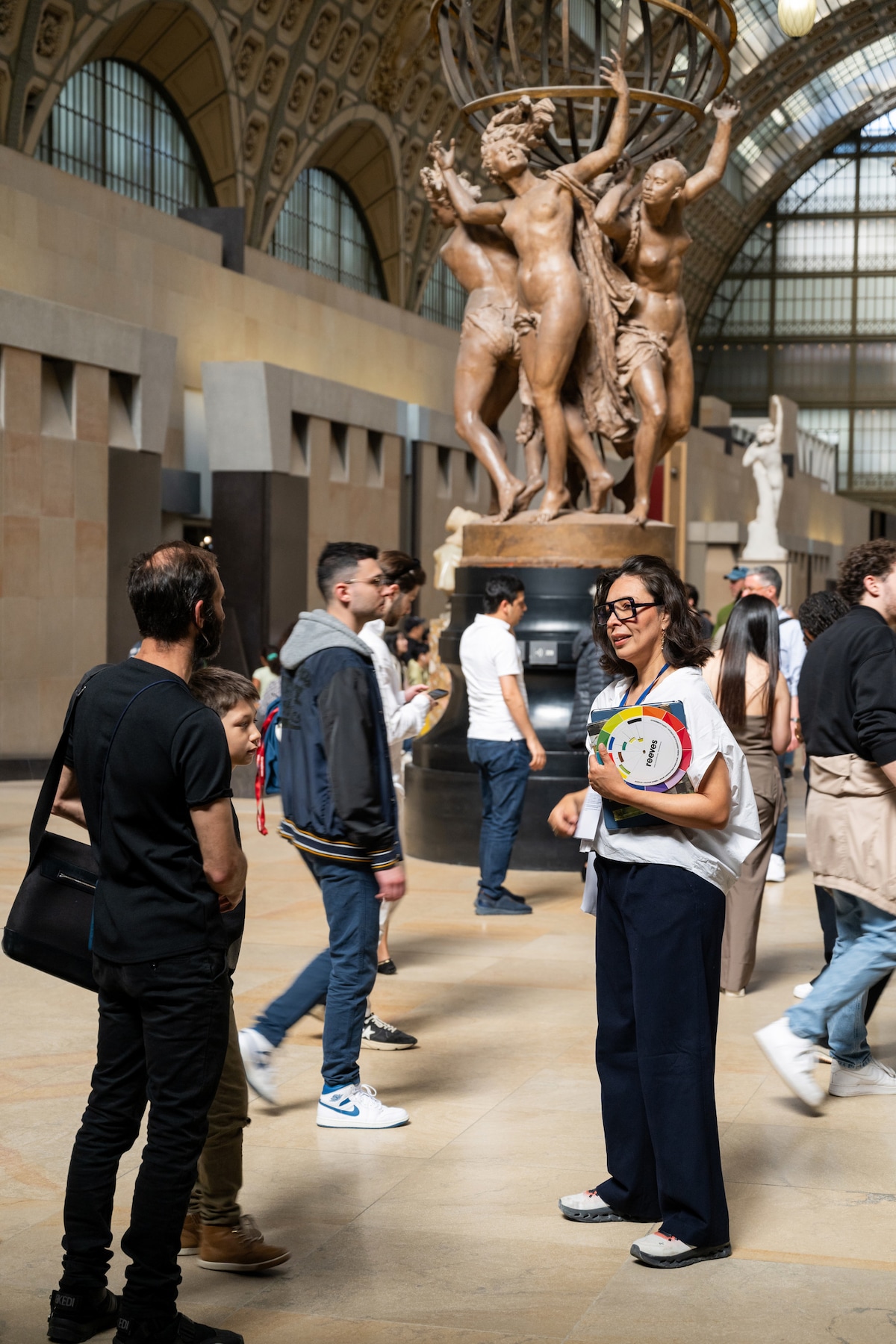
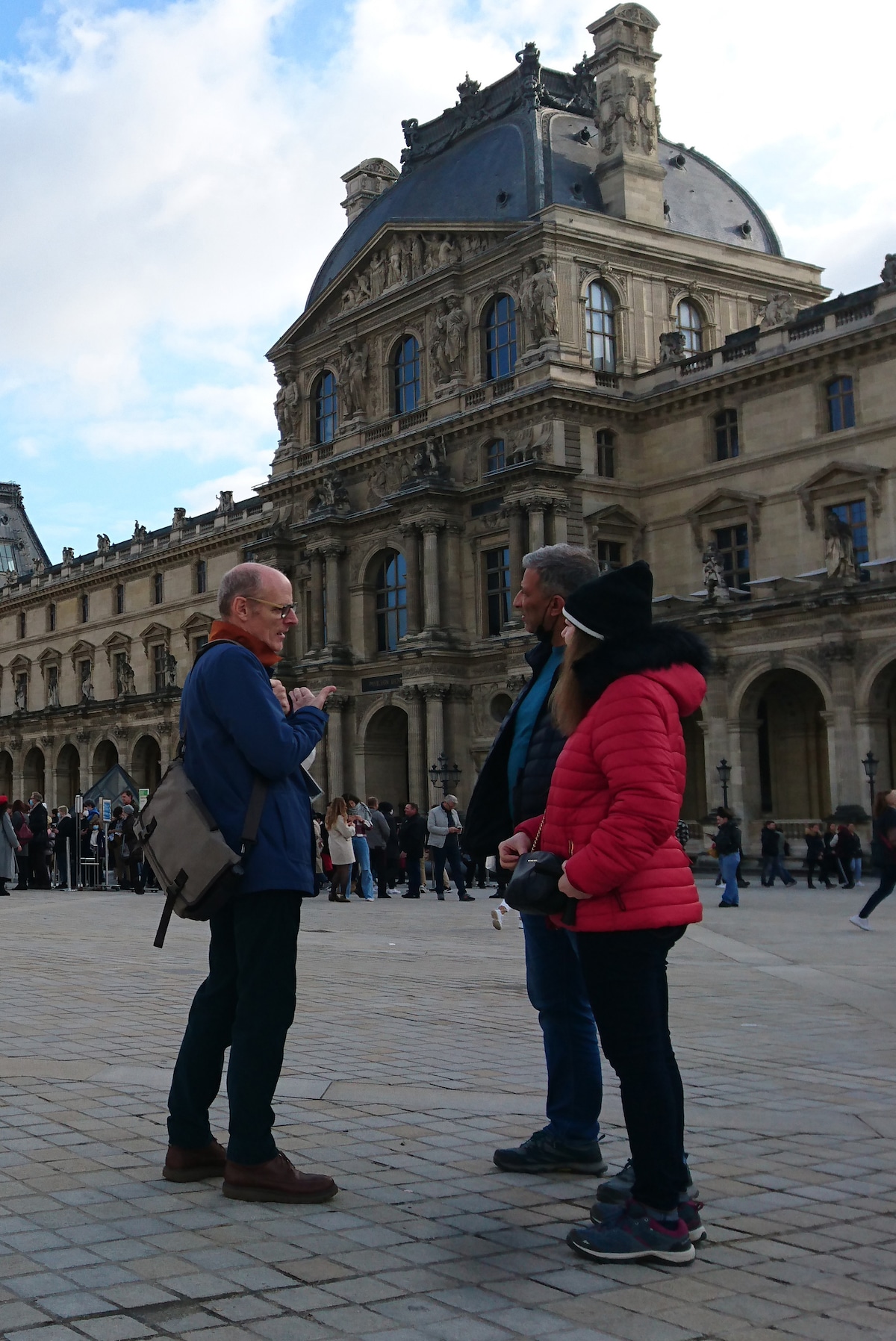
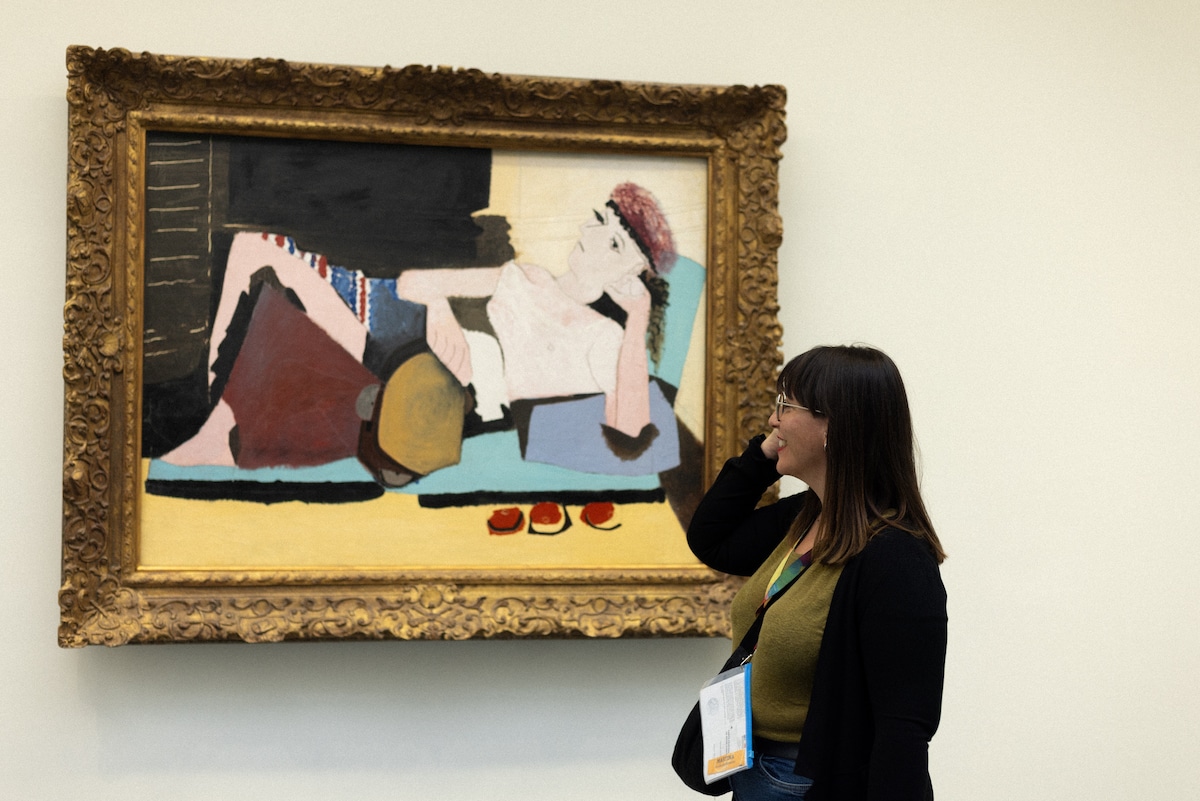
Museums in Paris have accumulated their history over centuries, and many are housed in buildings with their own significance. The Louvre served as a royal palace for more than 400 years before opening as a public museum in 1793 due to a post-revolutionary belief that great art should belong to everyone. The Musee d’Orsay was built as a railway station for the 1900 Universal Exhibition; its soaring glass ceilings now shelter the world’s largest collection of Impressionist art. At the Musée de l’Orangerie, Monet worked with architects to design two oval rooms with natural overhead light—built specifically to display his Water Lilies series. With more than 130 museums across the city, Paris contains centuries of human creativity, making it possible to move between ancient civilizations and modern innovation in a single afternoon.
Top highlights for your visit

The Louvre’s royal past
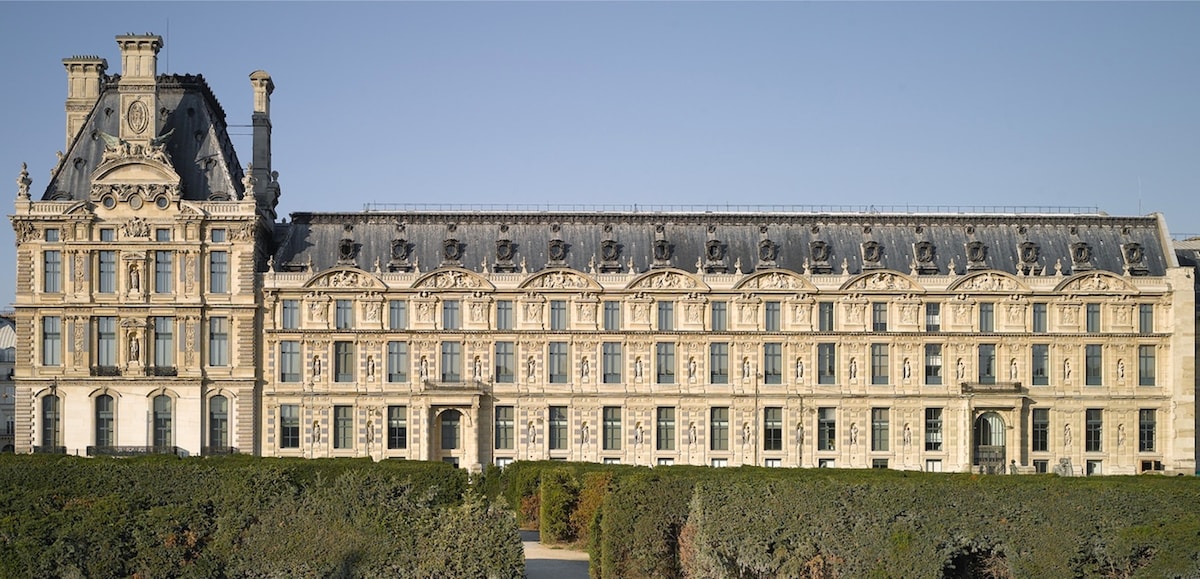
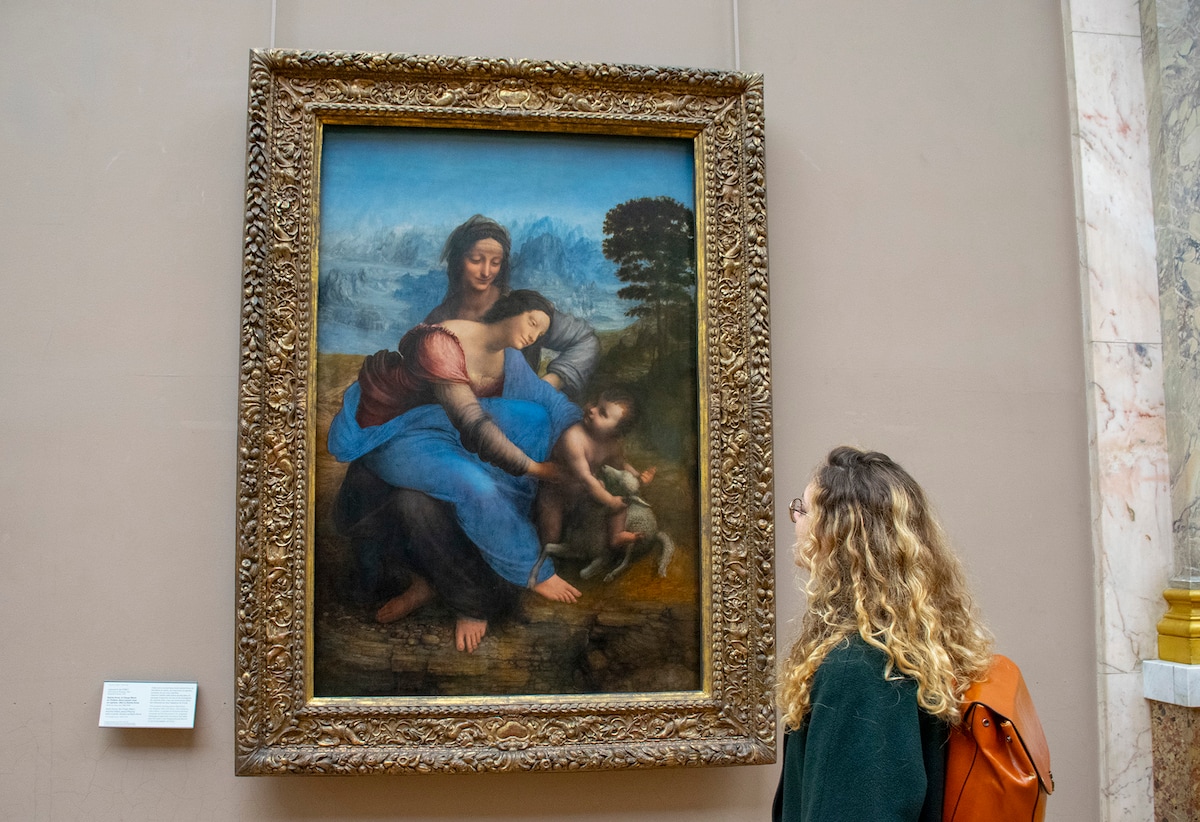
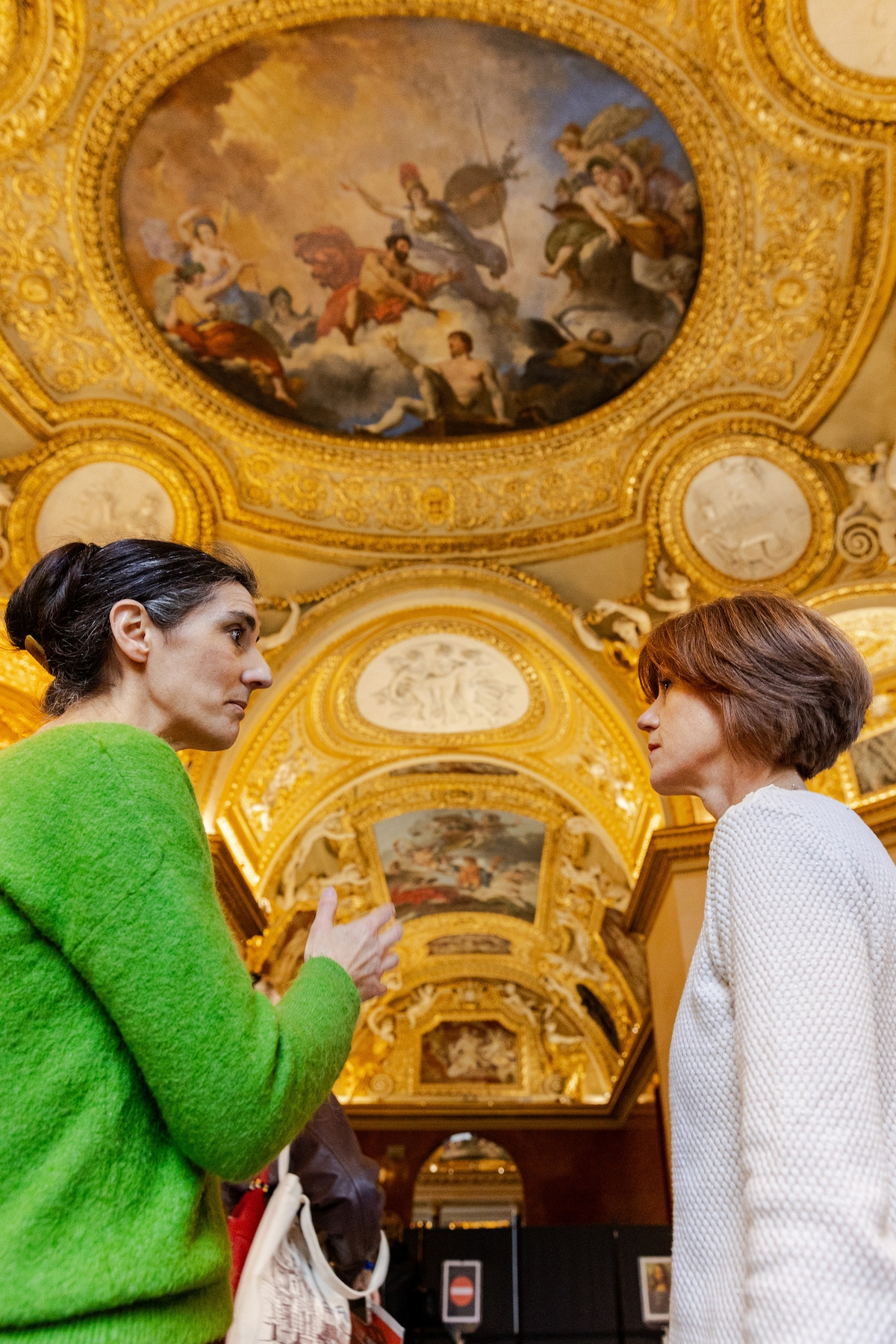
Before it became the world’s largest art museum, the Louvre served as a grand royal palace. That history is still visible in the architecture as you move through its galleries today.

Musée d’Orsay’s train station origins
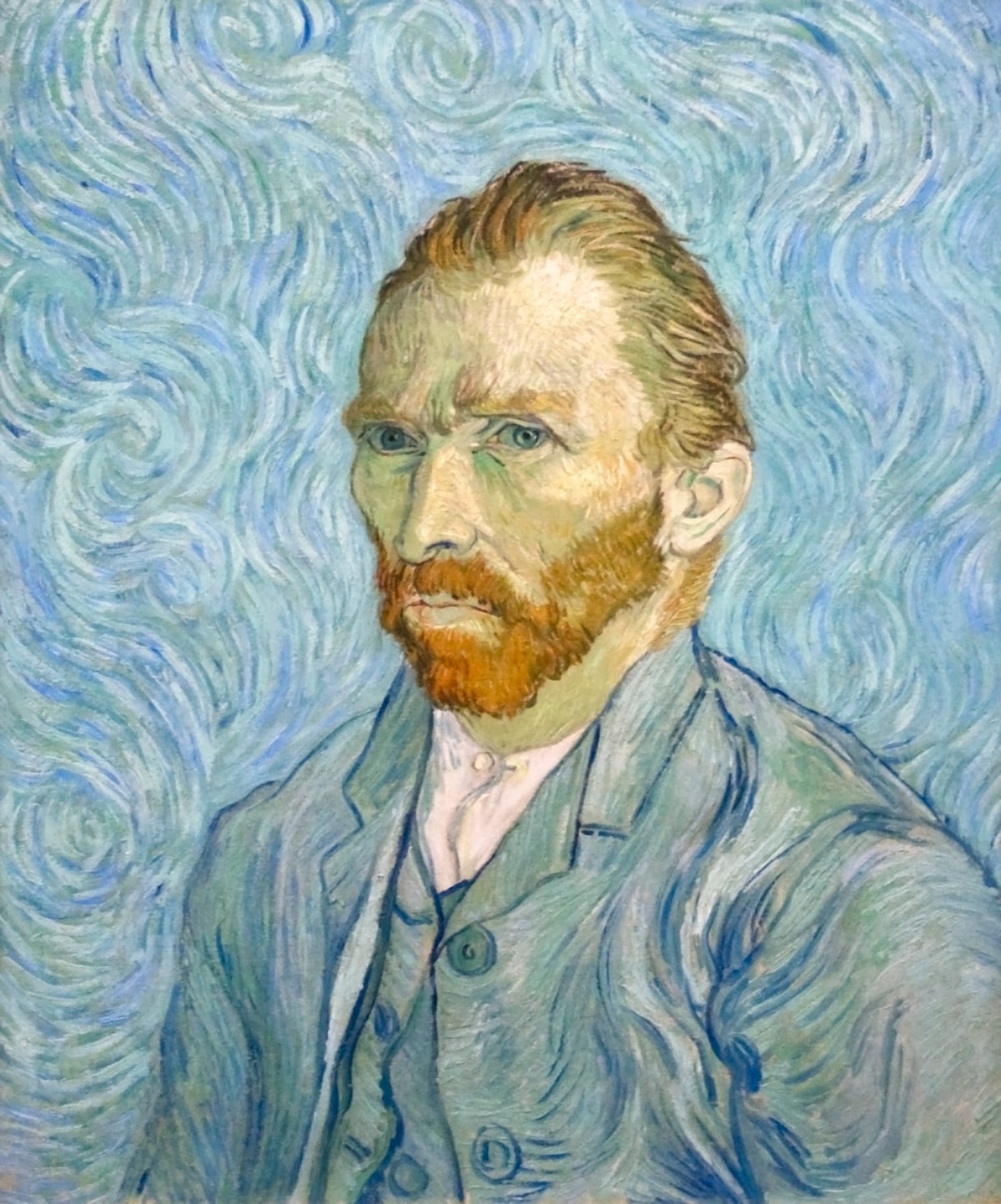
The Musee d’Orsay was built as a Beaux-Arts railway station for the 1900 Universal Exhibition. Its soaring iron and glass interior now contains the world’s largest collection of Impressionist and Post-Impressionist art, including works by Monet, Renoir, and Van Gogh.

The Tuileries Garden walk
The pedestrian-friendly banks of the Seine connect the Louvre, the Musee de l’Orangerie, and the Musee d’Orsay. Traversing the route on foot, you’ll pass through the Tuileries Garden, just steps from the Place de la Concorde.

Monet’s oval rooms
At the Musee de l’Orangerie, Claude Monet’s Water Lilies canvases are displayed in two custom-built, naturally lit oval rooms, specifically designed to complement the paintings within.
Museums in Paris FAQs
What are the most famous museums to visit in Paris?
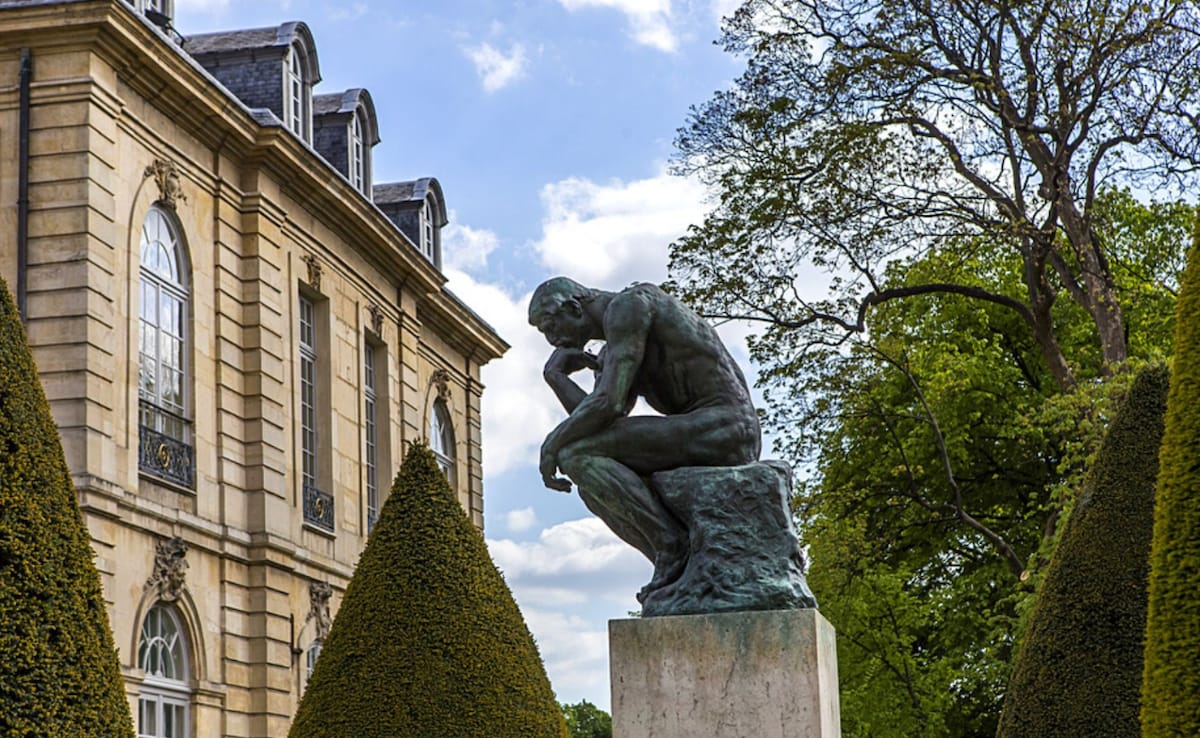
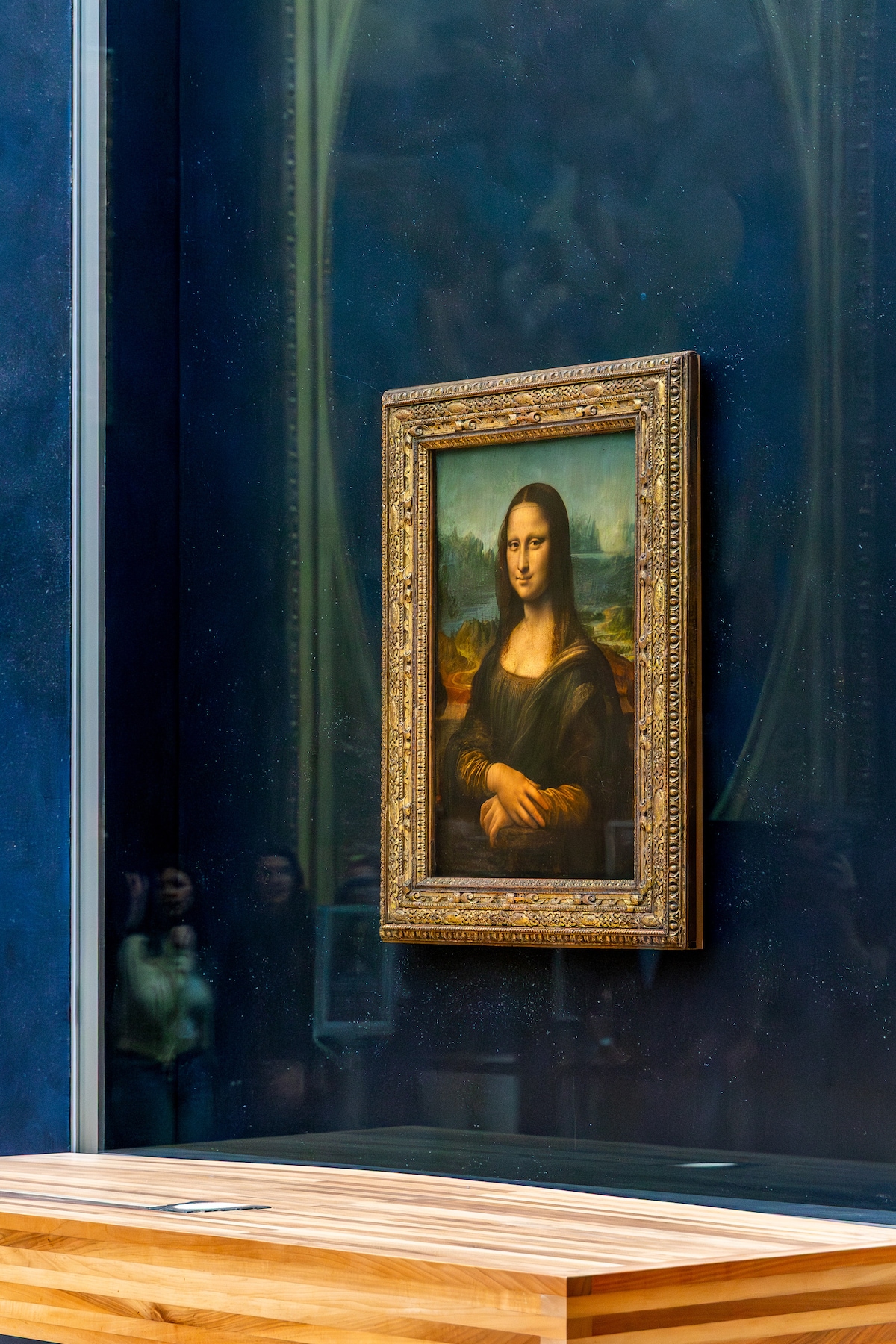
Paris is home to around 130 museums, so there’s no shortage of places to explore. If you’re looking for a good place to start, consider the Louvre—there’s a reason it’s one of the most famous museums in the world. The Musee d’Orsay is a favorite for Impressionist art, and the Musee de l’Orangerie is well worth a visit too. These three are a wonderful introduction to what Parisian museums have to offer.
Which museums in Paris are free to enter?
Exploring the museums in Paris doesn’t have to stretch your budget. Visitors under 18 and EU residents under 26 get free admission to many national museums. The Louvre also opens its doors to everyone for free on the first Friday of each month after 6:00 PM, except in July and August.
Is there a dress code for the Louvre and other museums?
There’s no formal dress code for museums in Paris. Come as you are and dress for comfort. Since you’ll be doing a lot of walking through expansive galleries, a good pair of comfortable shoes will make all the difference.
Do I need to book my museum tickets in advance?
It’s a good idea to book ahead. Many of the most visited spots, including the Louvre, require advance, timed-entry reservations to guarantee admission and help you avoid the longest queues. When you’re ready to book, go directly through each museum’s official website to make sure your tickets are legitimate.
What is the Paris Museum Pass?
If you’re planning to spend a good amount of time exploring Parisian museums and monuments, the Paris Museum Pass is worth considering. It gives you prepaid access to more than 50 museums and monuments across Paris and the surrounding region, which can save you both time and money.
Are Paris museums accessible to visitors with disabilities?
Yes. Most major venues across Paris, including the Louvre, are equipped with elevators, ramps, and step-free routes to make sure everyone can explore comfortably. Visitors with disabilities and one companion also typically receive free or reduced admission when they present an official disability card.
What days of the week are Paris museums closed?
Closure days vary by museum, so it’s always a good idea to check before you head out. The Louvre is closed on Tuesdays, while the Musée d’Orsay closes on Mondays. Most major national museums are also closed on public holidays, including January 1, May 1, and December 25.
Is the Centre Pompidou currently open to the public?
If modern art is on your list, it’s worth knowing that the Centre Pompidou began a gradual closure in 2025 for major renovations. It’s expected to remain fully closed until 2030. The good news is that Paris has plenty of other wonderful spaces to discover modern and contemporary art in the meantime.
Things to know before visiting museums in Paris
Entry and dress code
- Book timed-entry tickets in advance directly through official museum websites.
- The Louvre is closed on Tuesdays and the Musee d’Orsay is closed on Mondays.
- There is no dress code. Wear whatever is comfortable for a long day on your feet.
What to bring
- Visitors under 18 and EU residents under 26 can receive free admission with an ID.
- Free or reduced admission is also available to those with an official disability card.
- The Paris Museum Pass covers entry to over 50 museums and monuments.
Important information
- Large suitcases, bulky backpacks, and selfie sticks are not allowed in the galleries.
- Allow extra time for mandatory security screenings, even with a timed-entry ticket.
- The Centre Pompidou is closed for renovations and will not reopen until 2030.