
Montmartre tours
Crowned by the Sacré-Cœur, this hilltop’s steep streets, warm baguettes, and late-night songs make Paris feel close enough to touch.
Hours of operation
The basilica is open daily from 6:30 AM to 10:30 PM. Other attractions vary.
Tickets not required
Free to roam Montmartre. Free Sacré-Cœur Basilica entry. Admission required to enter the dome and museum.
Best time to visit
Early mornings and late summer evenings
Montmartre tours under $55
Explore budget-friendly options to visit Montmartre.
1 di 1 pagine
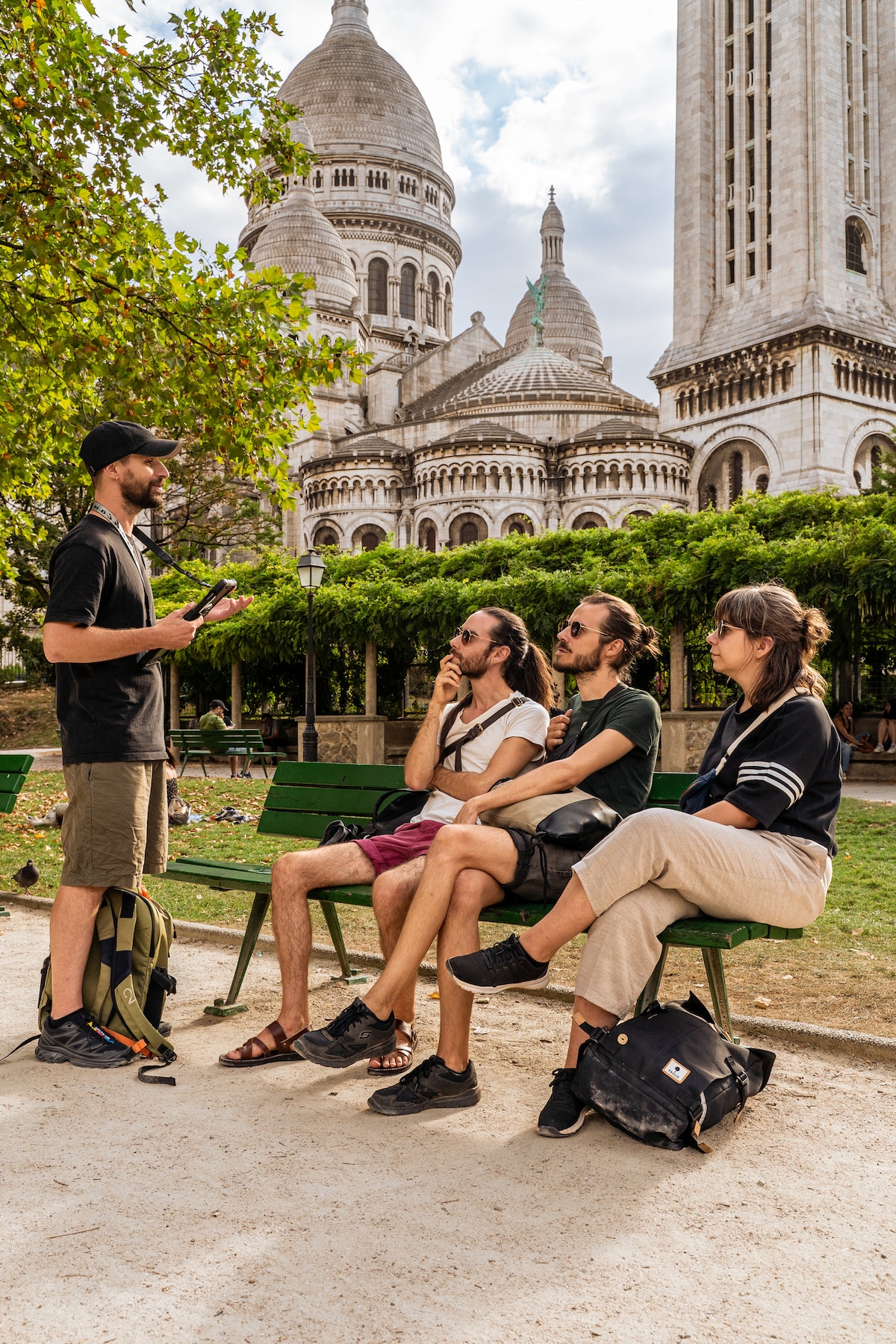
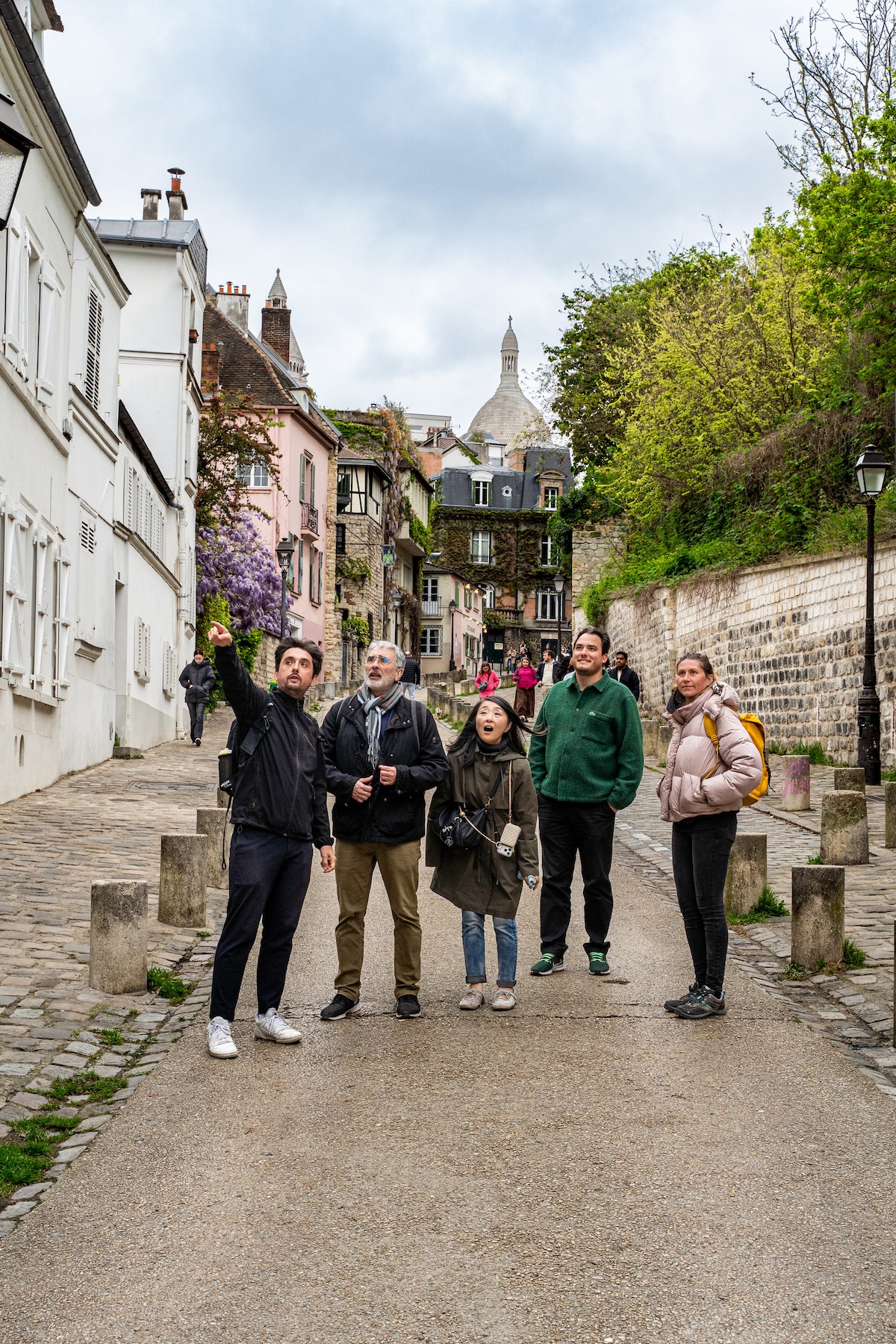
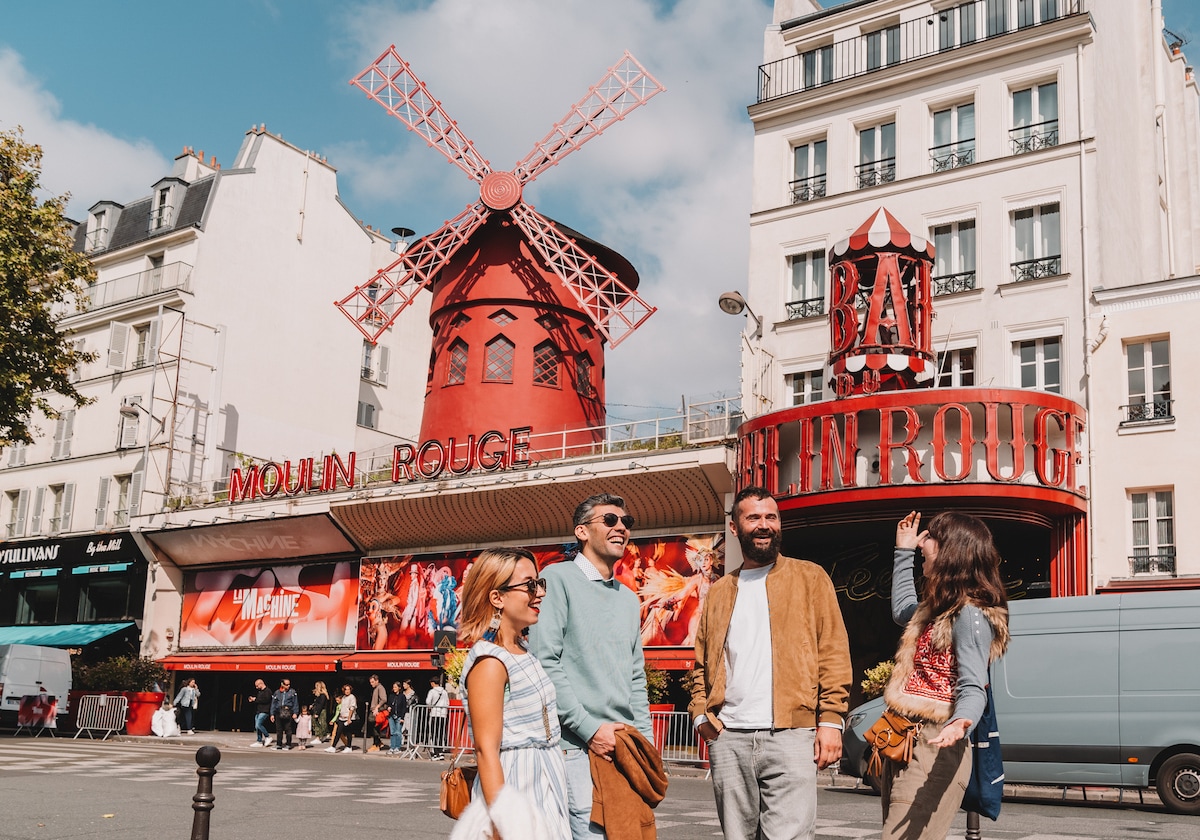
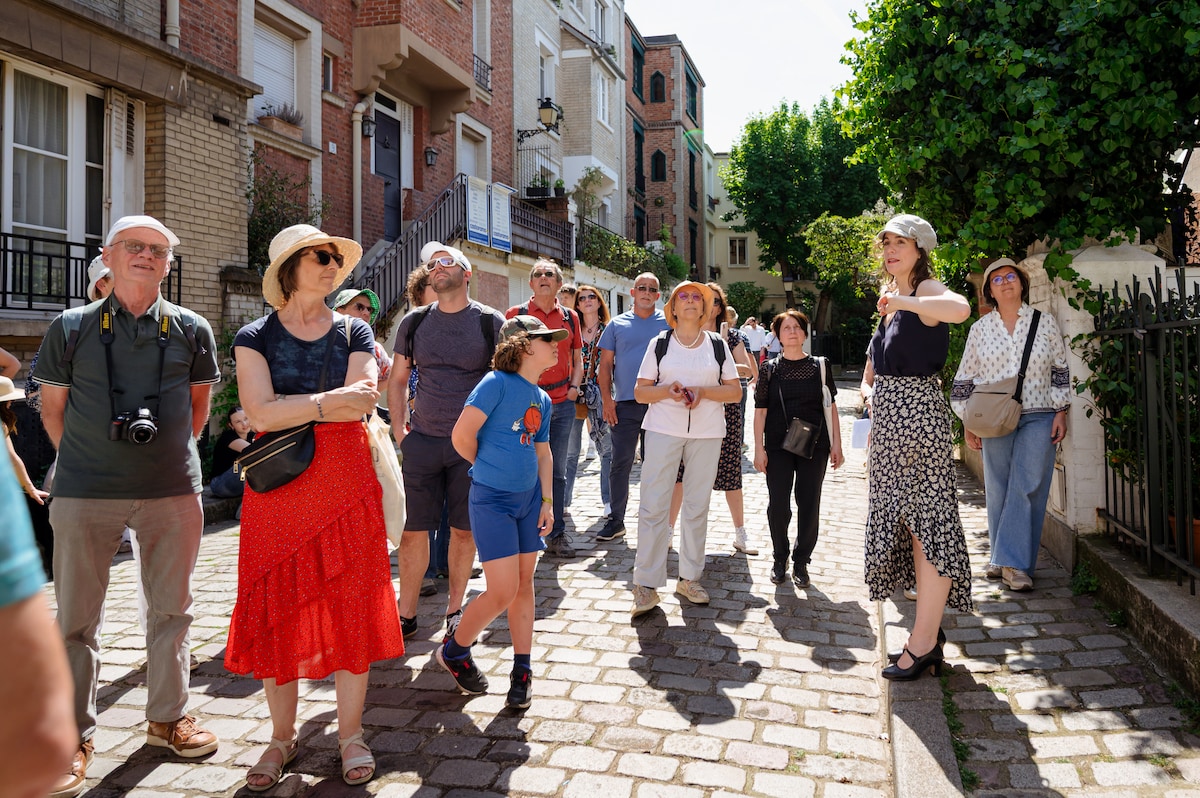
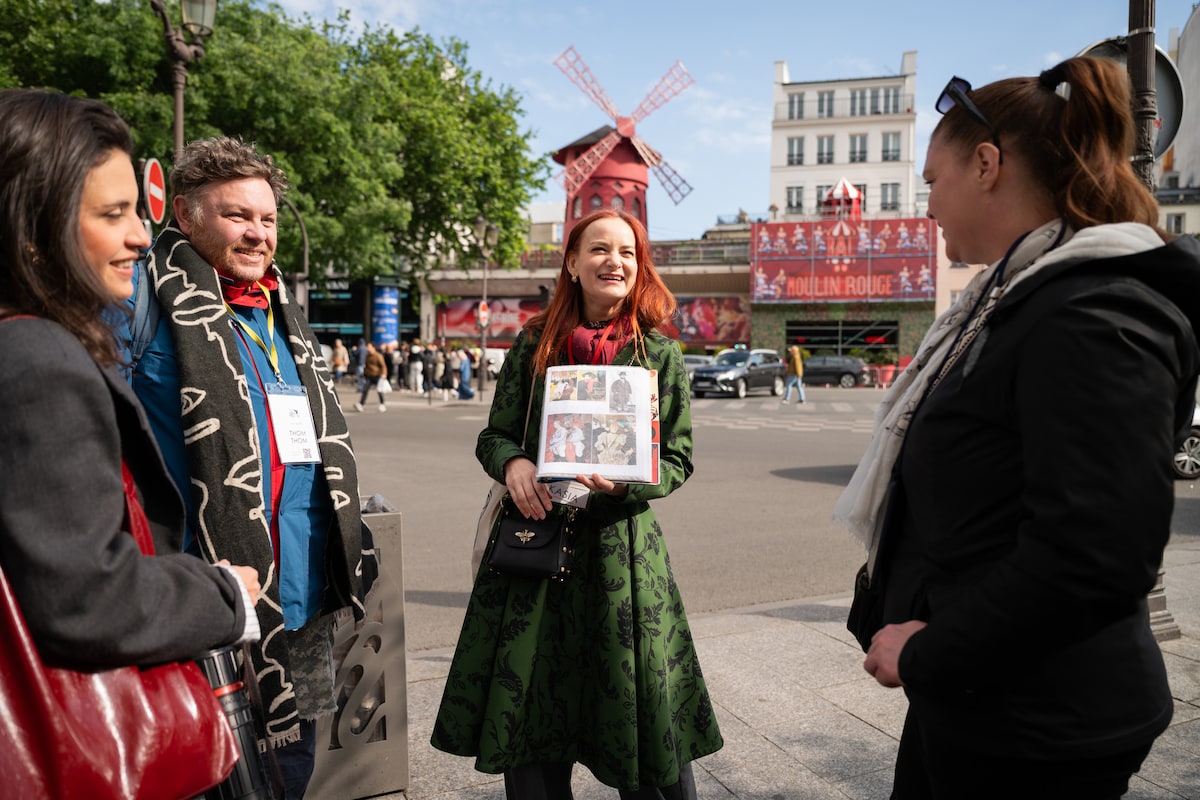
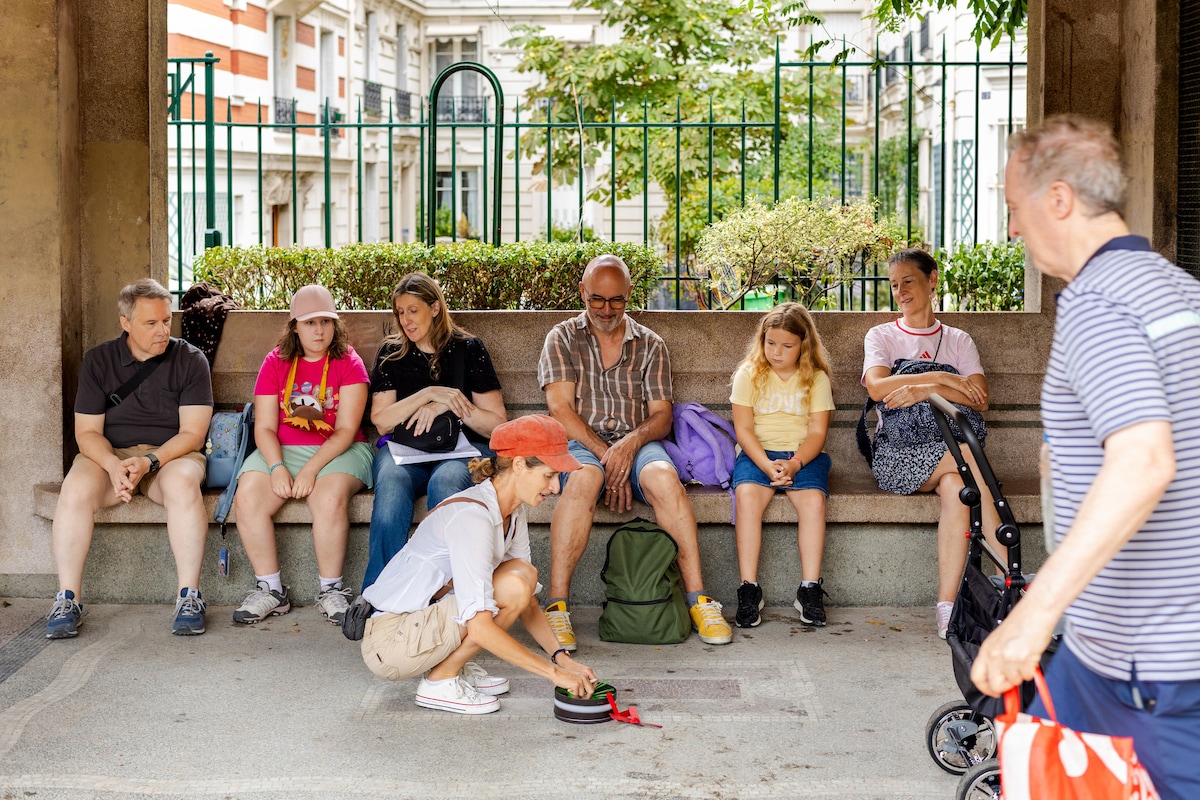
Other popular Montmartre tours
Get an insider’s view of Montmartre.
1 di 1 pagine


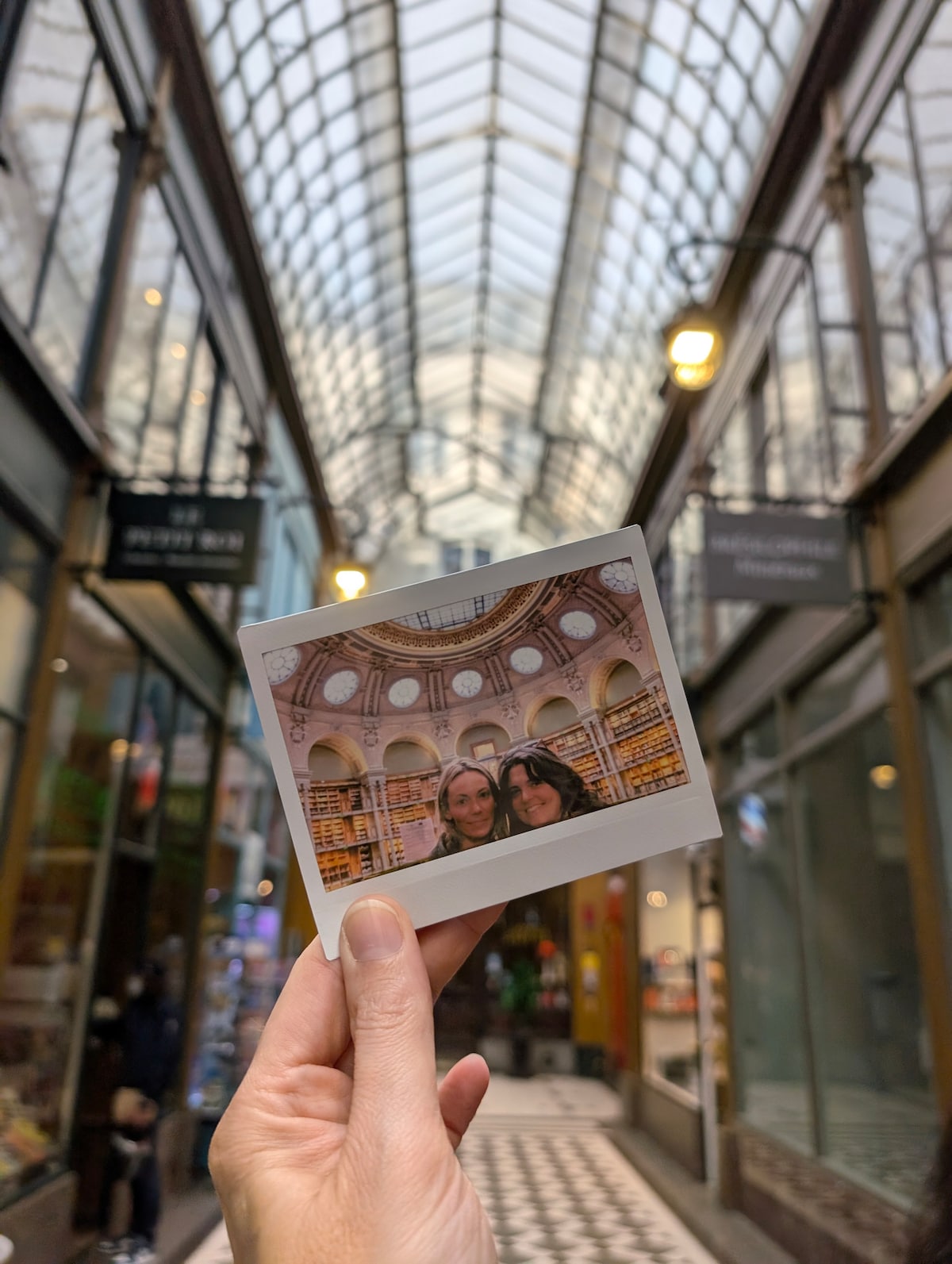
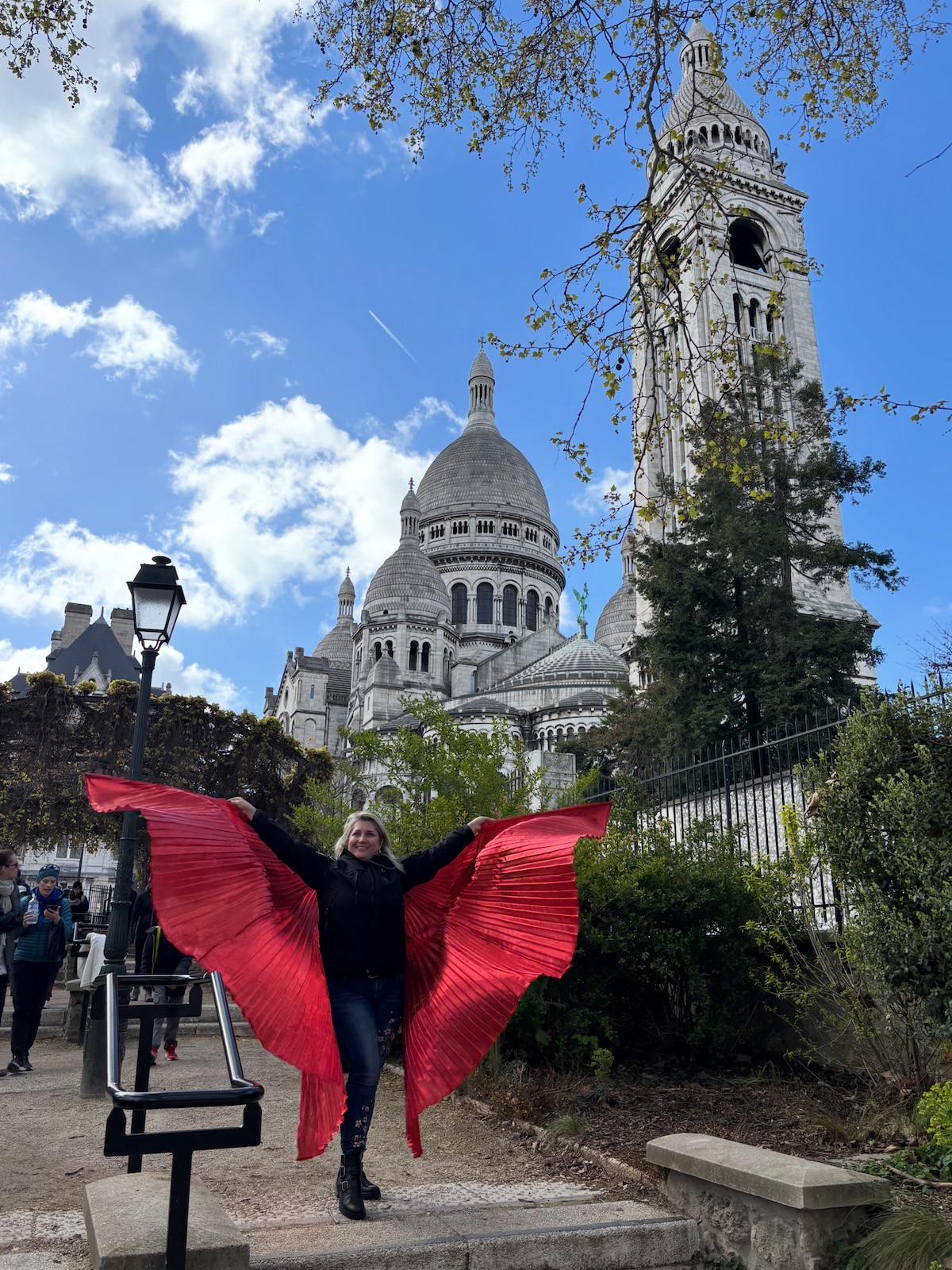



About Montmartre
Montmartre, perched on a steep hill in Paris’s 18th arrondissement, is known for its bohemian atmosphere and sweeping views of the city By the late 1800s, the area’s low rents drew many artists, including Pierre-Auguste Renoir, Edgar Degas, and Pablo Picasso, who lived and worked in close quarters at studios like Le Bateau-Lavoir. The hill’s creative density shaped modern art in ways that still echo today. Montmartre is also home to Sacré-Cœur, a Catholic basilica consecrated in 1919.
Top highlights for your visit

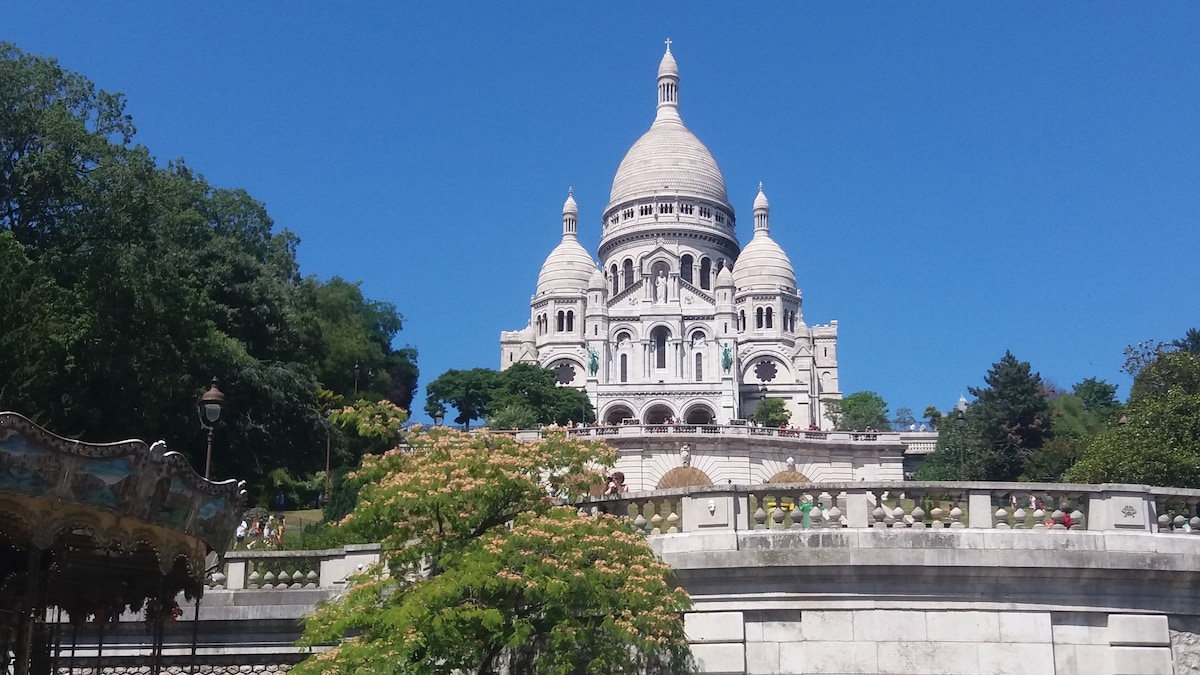
The Sacré-Cœur Basilica
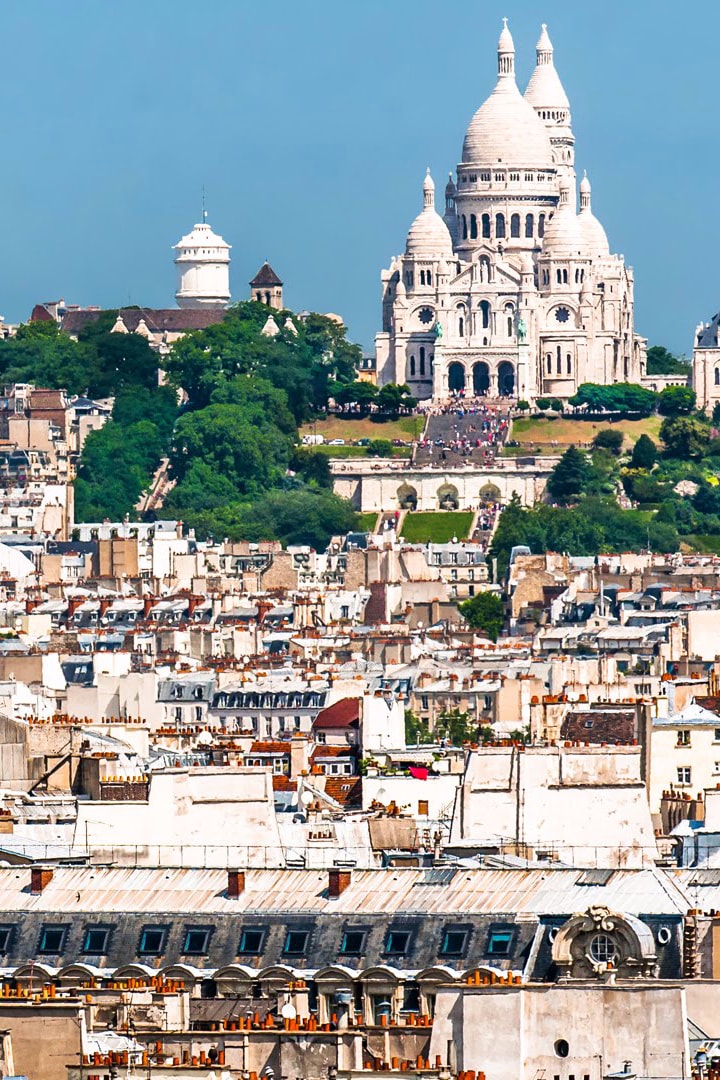
This Catholic church and minor basilica was built as a symbol of national hope following the 1871 Paris Commune and the Franco-Prussian War. Constructed of white limestone, it crowns the hill and offers sweeping panoramic views of the entire city.

Clos Montmartre
Tucked onto a quiet slope, this is the oldest working vineyard in Paris. Here, you can stand among the grapevines and experience the village of Montmartre as it once was.

Place du Tertre
Just steps from the basilica, this historic square has been a gathering place for portrait artists and caricaturists for generations. Artists still set up their easels here daily, carrying on the creative tradition that drew Picasso, Renoir, and Toulouse-Lautrec to the neighborhood.

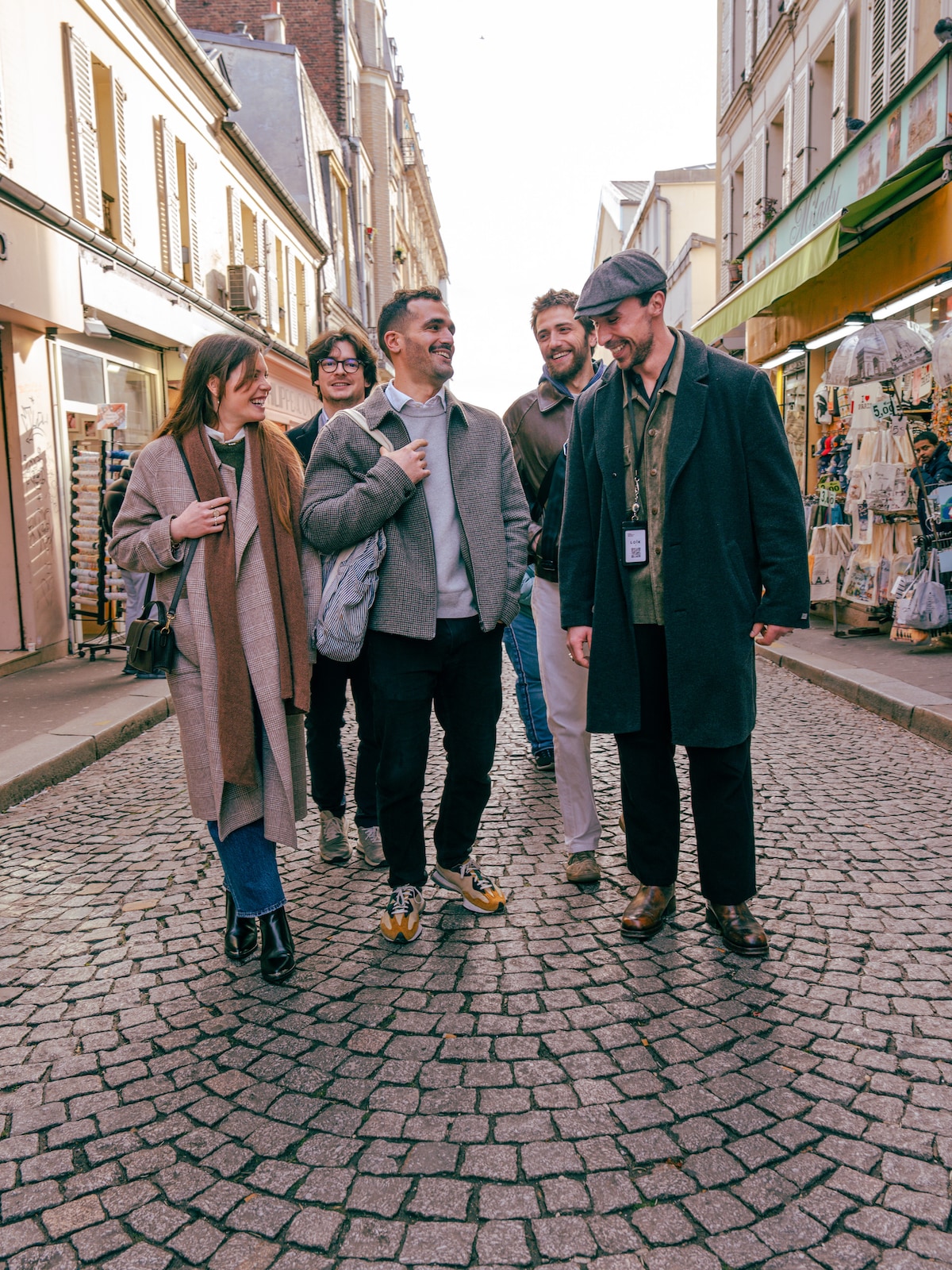
The cobblestone streets
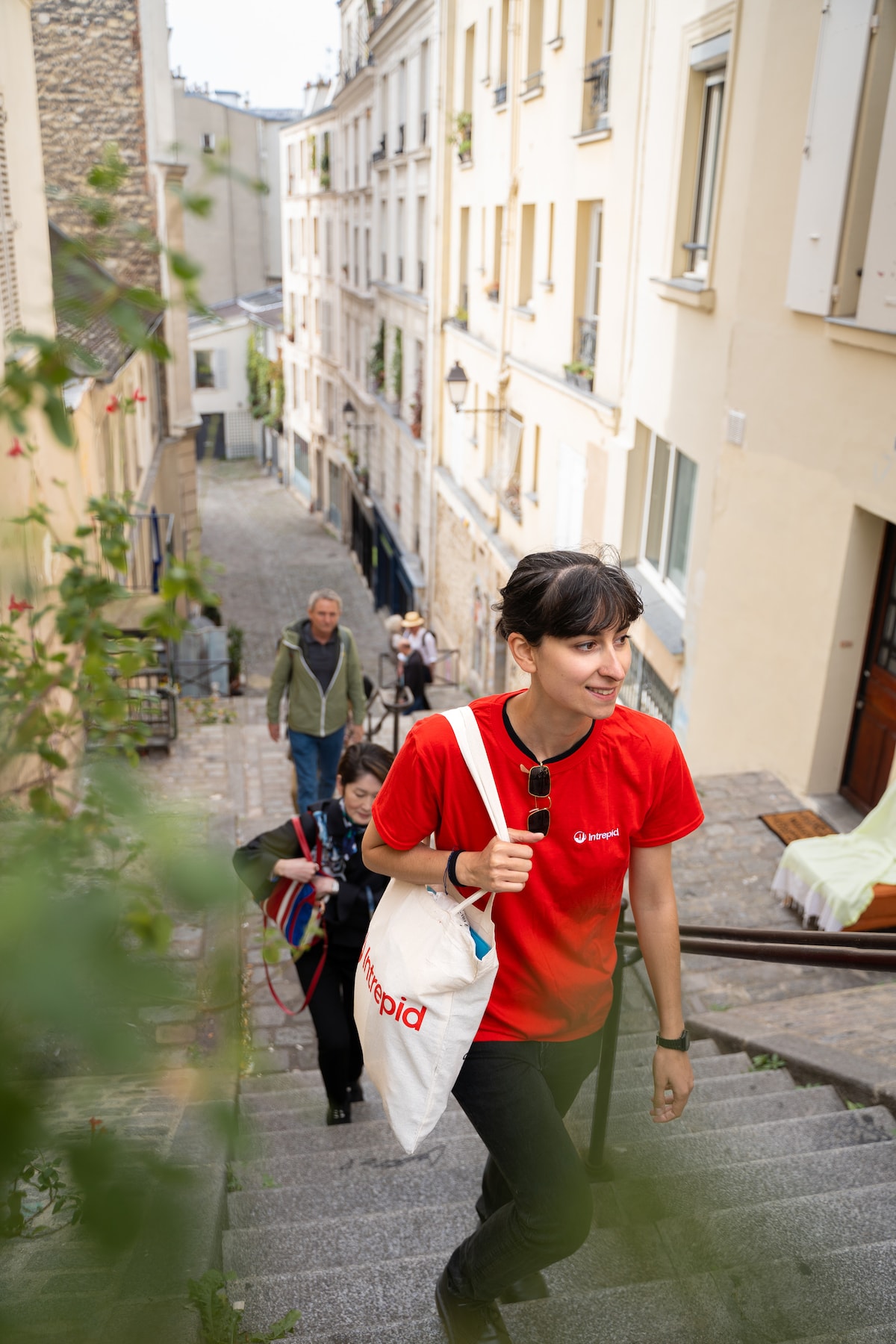
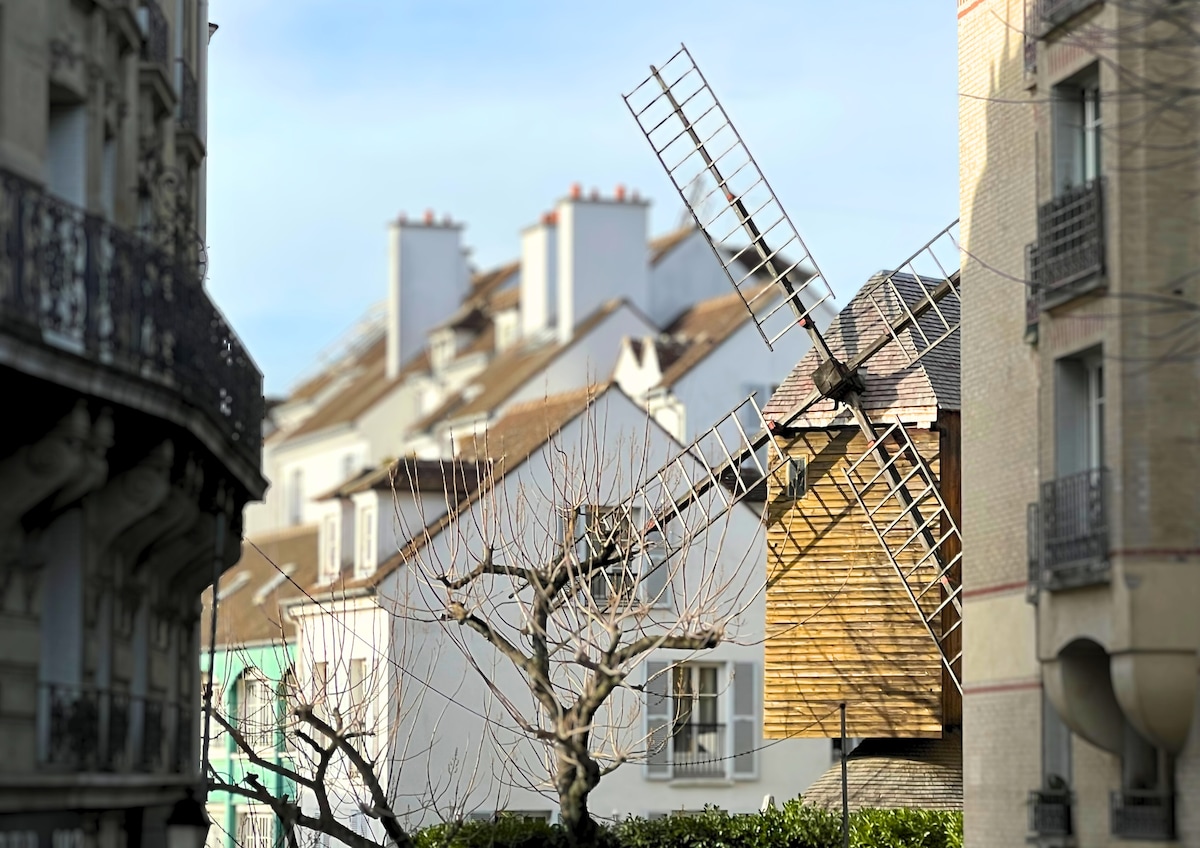
Wandering a few blocks away from the main arteries around the basilica reveals a quieter, residential side of Montmartre. Rue de l’Abreuvoir is considered one of the most scenic streets in Paris and is a natural starting point for this kind of unhurried exploration.
Montmartre FAQs
What does the name Montmartre actually mean?
This is an area of dispute. Some believe the name Montmartre translates to “Mountain of the Martyr,” in tribute to Saint Denis, the first Bishop of Paris. Others propose an earlier origin, saying the name comes from the Latin for “Mount of Mars” in reference to temples for the gods Mars and Mercury that once sat atop the hill.
Do I have to climb the stairs to reach the Sacré-Cœur?
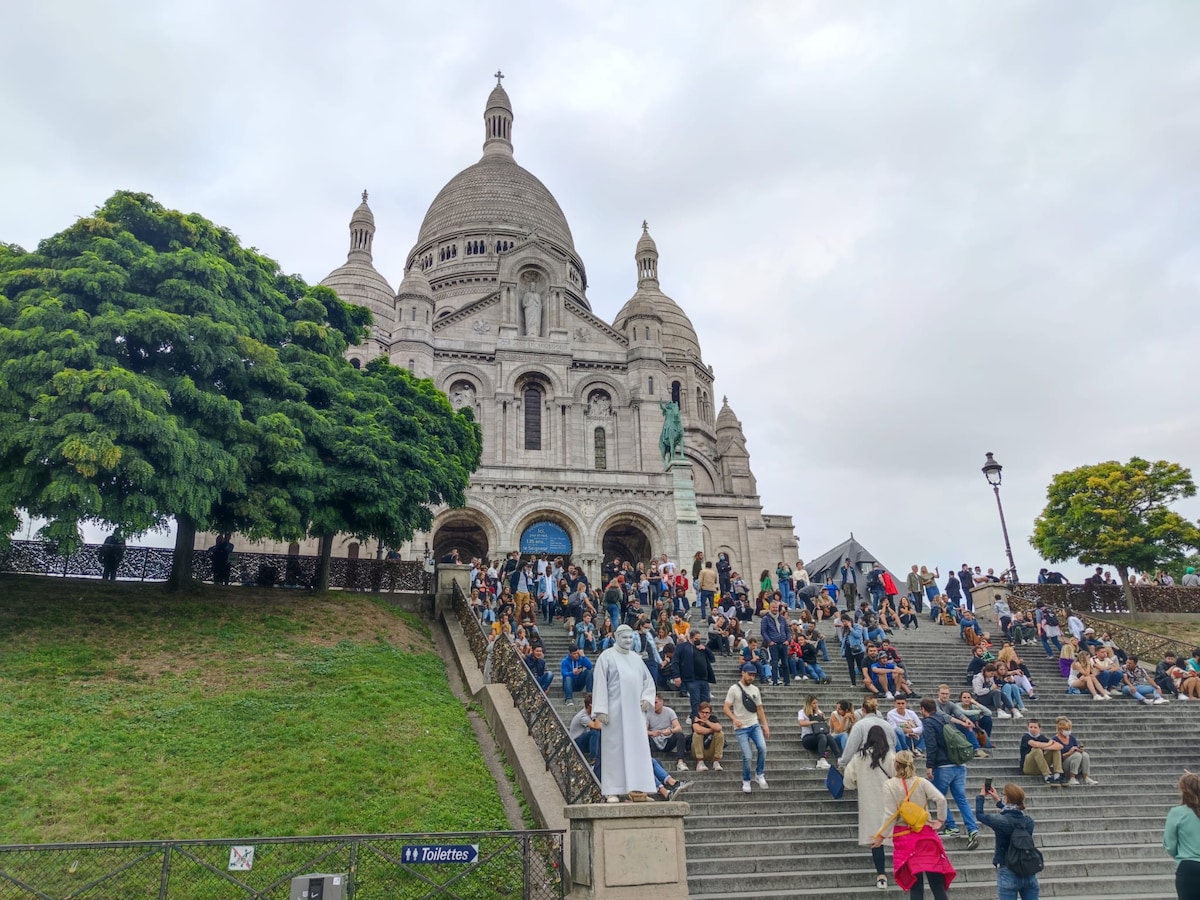
Not at all. The 222-step climb is a memorable way to arrive, but if you’d rather save your energy, the Montmartre Funicular can whisk you up the hill in about 90 seconds. All you need is a standard Paris Metro ticket.
Do I need to buy tickets to visit the Sacré-Cœur?
The main basilica is free to enter, and no advance booking is required. Tickets to climb the dome can be purchased on-site.
Is the neighborhood wheelchair accessible?
Montmartre’s steep inclines and cobblestone streets can make getting around a challenge for visitors with reduced mobility. That said, the Sacré-Cœur Basilica has an elevator available at the back entrance, which is a helpful option to know about before you visit.
Why is Montmartre so famous for its art?
In the late 19th and early 20th centuries, Montmartre’s low rents and relaxed, village-like atmosphere drew some of the most celebrated painters of the era, including Renoir, Degas, and Picasso. The neighborhood became a gathering place for artists, and that creative energy never really left. You can still feel it today, especially while watching portrait artists at work in Place du Tertre.
Where are the best streets for a scenic walk?
A great place to start is Rue de l’Abreuvoir, widely considered one of the most beautiful streets in Paris. From there, wind your way down Rue Lepic for a walk that captures the quiet, unhurried character that makes Montmartre so easy to fall for.
What is the nightlife like in Montmartre?
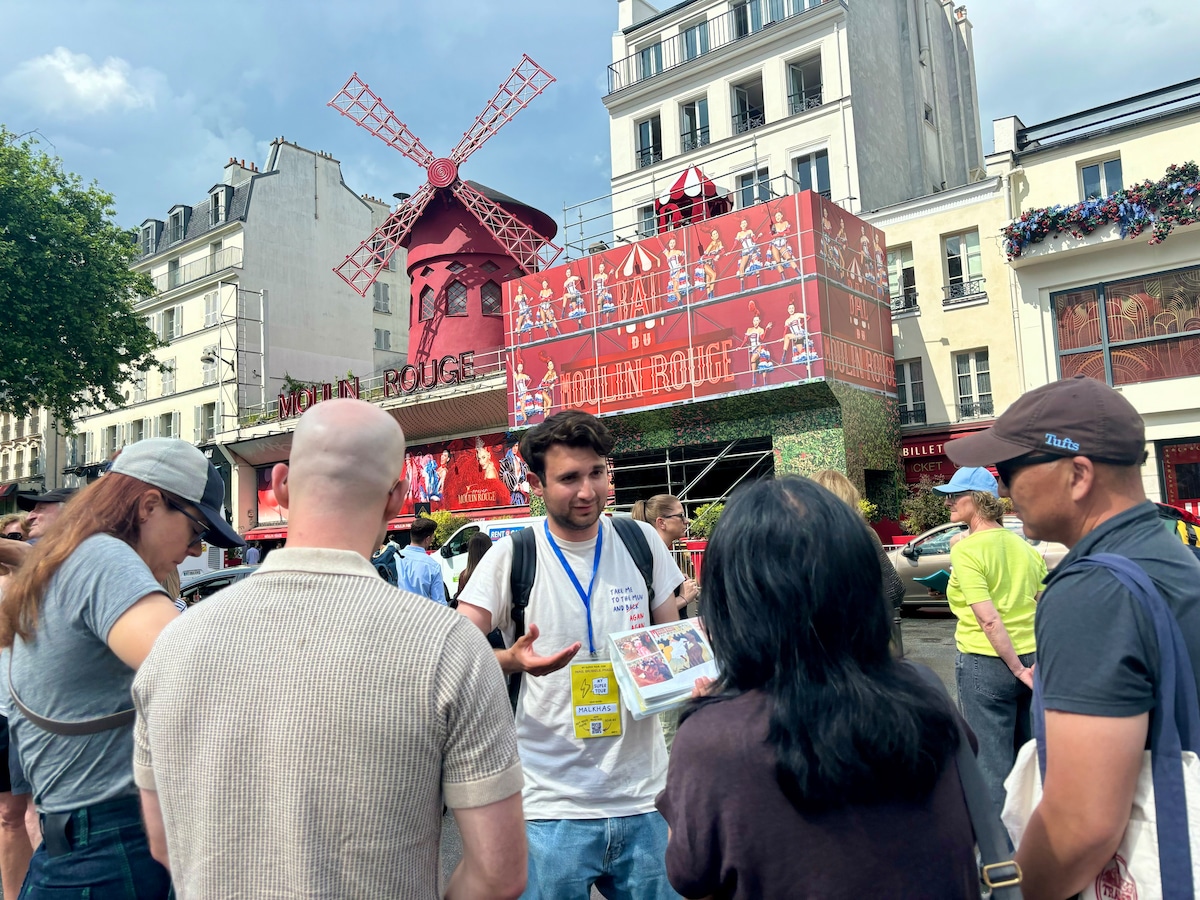
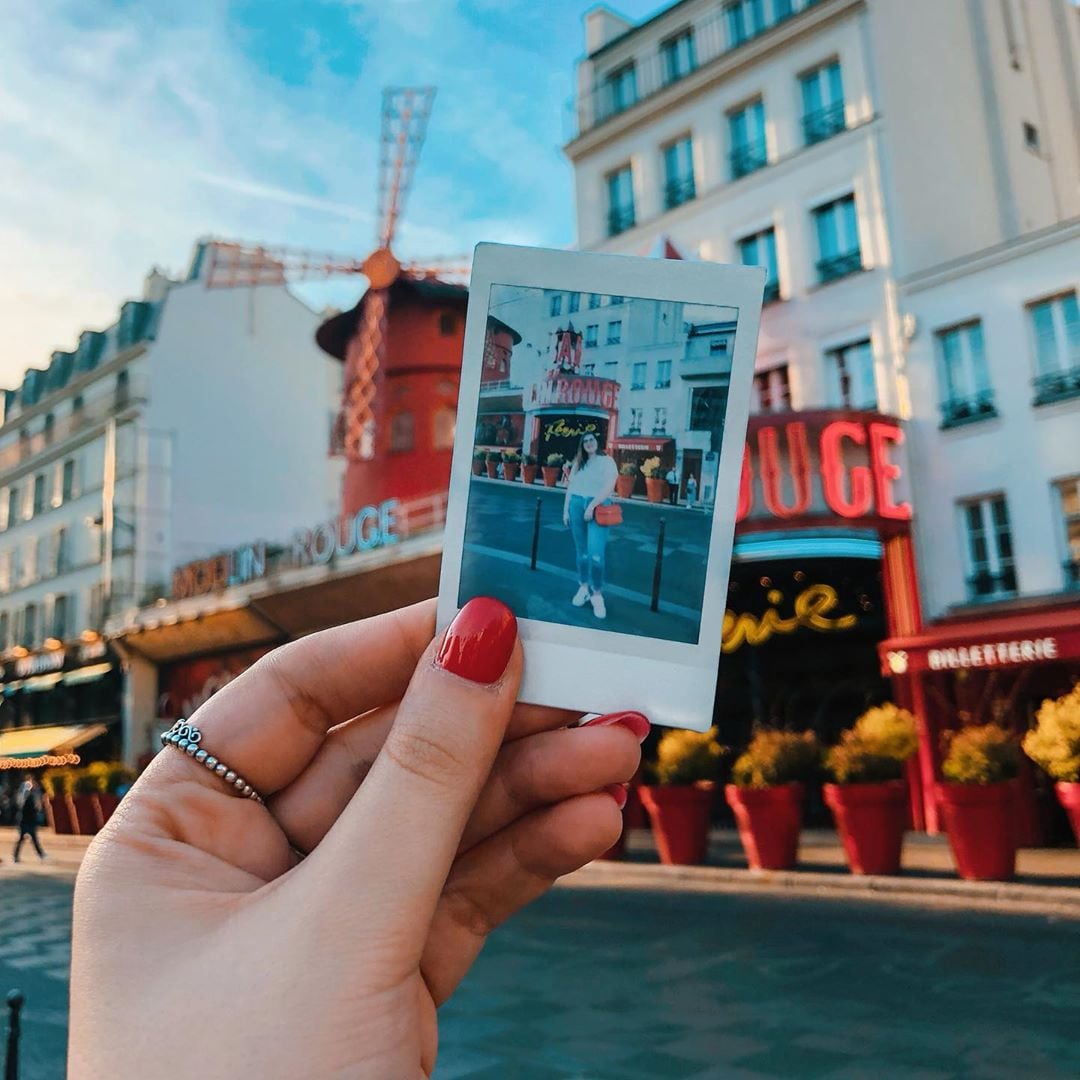
Montmartre after dark has something for everyone. Near the base of the hill, the lively Pigalle area is known for its cabarets. Head further up into the cobblestone streets and things quiet down considerably, with cozy historic bars and intimate jazz clubs that invite you to settle in and stay a while. For a real taste of the neighborhood’s bohemian spirit, an evening at one of the historic cabarets is worth considering.
Where can I find a great meal or cafe?
You are genuinely spoiled for choice here. Beyond the well-known Café des Deux Moulins, Breizh Café is a local favorite worth seeking out for its savory galettes, organic cider, and relaxed, unpretentious setting.
Things to know before visiting Montmartre
Entry and dress code
- Entry to the Sacré-Cœur Basilica is free and requires no advance booking.
- Tickets are required to climb the dome and enjoy its panoramic view.
- Shoulders and knees must be covered inside the basilica. Hats must be removed.
What to bring
- Wear comfortable, sturdy shoes. The streets are steep and uneven.
- Bring a light jacket in spring and autumn. Winter visits call for warm layers.
- A standard Paris Metro ticket covers the Montmartre Funicular.
Additional information
- The dome is only reachable via a 280-step spiral staircase with no elevator access.
- Flash photography and disruptive filming are prohibited inside the basilica.
- Keep bags zipped and valuables secure when near the basilica steps.